2023年6月26日星期一

Benefits and Advantages of Bottle Bagging Machine in Packaging Industry

 The bottle bagging machine plays a crucial role in the packaging industry, offering numerous benefits and advantages. This specialized equipment streamlines the packaging process, enhances productivity, and ensures high-quality packaging for various bottle applications. Let's explore the key benefits and advantages of using a bottle bagging machine in the packaging industry.

Increased Efficiency and Productivity:

One of the primary advantages of bottle bagging machines is their ability to significantly increase efficiency and productivity in packaging operations. These machines can handle a high volume of bottles, automating the insertion and sealing process. By eliminating manual labor and increasing throughput, bottle bagging machines optimize production efficiency and enhance overall productivity.

Consistent and Uniform Packaging:

Bottle bagging machines ensure consistent and uniform packaging, eliminating variations and errors that may occur with manual packaging. The machines are designed to precisely align and insert bottles into bags, ensuring a standardized packaging format. This consistency enhances brand image, customer satisfaction, and reduces the likelihood of packaging errors.

Time and Cost Savings:

Automating the packaging process with Auto Bagger Machine results in significant time and cost savings. The machines operate at higher speeds compared to manual packaging methods, increasing the production output and reducing labor requirements. By optimizing packaging efficiency, bottle bagging machines minimize production costs and improve the overall profitability of packaging operations.

Improved Packaging Quality and Protection:

Bottle bagging machines provide improved packaging quality, ensuring that bottles are protected during storage, transportation, and display. The sealed bags create a protective barrier, preventing moisture, dust, and other contaminants from entering the packaging. This helps to maintain the quality and integrity of the bottles, enhancing customer satisfaction and reducing product waste.

Flexibility in Packaging:

Bottle bagging machines offer flexibility in packaging requirements. They can accommodate various bottle sizes, shapes, and materials. The machines are adjustable, allowing for quick and easy changeovers between different bottle types. This versatility enables packaging companies to meet diverse customer demands and adapt to changing market trends effectively.

Enhanced Presentation and Branding:

Bottle bagging machines contribute to the visual appeal and branding of packaged products. The machines provide neat and professional packaging, enhancing the overall presentation of the bottles. This visually appealing packaging can have a positive impact on consumer perception, influencing purchasing decisions and strengthening brand recognition.

Reduction in Packaging Waste:

By utilizing bottle bagging machines, packaging waste can be significantly reduced. The machines precisely measure and dispense the necessary amount of packaging material, minimizing excess material usage. Additionally, the automated process ensures that packaging is consistent and accurately fits the bottles, reducing the need for additional protective materials.

Compliance with Safety and Hygiene Standards:

Bottle bagging machines help packaging companies comply with safety and hygiene standards. The sealed bags provide tamper-evident packaging, ensuring the integrity and safety of the bottled products. This is particularly important for industries such as pharmaceuticals and food and beverage, where product safety and hygiene are paramount.

Integration with Other Packaging Equipment:

Automatic Bottle bagging machines​ can be seamlessly integrated into existing packaging lines. They can be combined with other equipment such as labeling machines, capping machines, and conveyor systems, creating a fully automated and efficient packaging process. This integration optimizes workflow, reduces manual handling, and enhances overall operational efficiency.


In conclusion, bottle bagging machines offer a wide range of benefits and advantages in the packaging industry. They increase efficiency, ensure consistent and uniform packaging, save time and costs, improve packaging quality and protection, provide flexibility, enhance branding, reduce packaging waste, ensure compliance with safety standards, and enable seamless integration with other packaging equipment. By incorporating bottle bagging machines into packaging operations, companies can achieve higher productivity, reduce costs, and deliver high-quality packaged products to meet customer demands effectively.

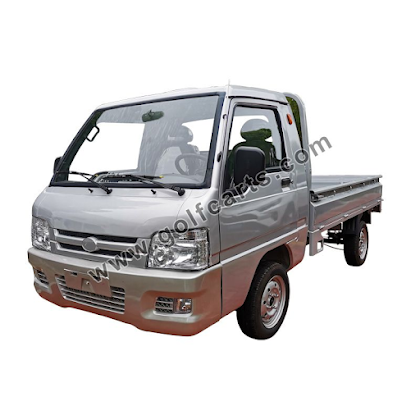
Advantages and Benefits of Electric Trucks

 Electric trucks have gained significant attention and popularity in recent years as an alternative to traditional diesel-powered trucks. They offer numerous advantages and benefits that make them an attractive option for businesses and fleet operators. Let's explore some of the key advantages and benefits of electric trucks:

Environmental Sustainability:

One of the most significant advantages of electric trucks is their positive environmental impact. They produce zero tailpipe emissions, helping to reduce air pollution and combat climate change. By eliminating harmful pollutants such as nitrogen oxides and particulate matter, electric trucks contribute to cleaner and healthier air quality, particularly in urban areas where air pollution is a major concern.

Reduced Operating Costs:

Electric trucks have lower operating costs compared to diesel trucks. Electricity is generally cheaper than diesel fuel, resulting in lower fueling costs. Additionally, electric trucks have fewer moving parts and require less maintenance than internal combustion engine (ICE) vehicles. Electric trucks do not require oil changes, have fewer engine components to maintain, and often have longer-lasting brakes due to regenerative braking, resulting in reduced maintenance and servicing expenses.

Energy Efficiency:

Electric trucks are more energy-efficient than diesel trucks. Electric drivetrains have higher energy conversion efficiency, meaning a larger percentage of energy from the battery is utilized to propel the vehicle. In contrast, internal combustion engines waste a significant amount of energy as heat. The energy efficiency of electric trucks contributes to extended range capabilities and reduces energy consumption, making them a more sustainable transportation solution.

Noise Reduction:

Electric trucks operate quietly, producing minimal noise compared to diesel trucks. This makes them particularly suitable for deliveries and operations in noise-sensitive areas, such as residential neighborhoods or during nighttime operations. Reduced noise pollution not only benefits communities but also improves working conditions for drivers, reducing fatigue and enhancing overall comfort.

Government Incentives and Support:

Many governments and municipalities provide incentives and support for the adoption of electric vehicles, including electric trucks. These incentives may include financial incentives such as grants, tax credits, or subsidies, as well as dedicated charging infrastructure development. Taking advantage of these incentives can significantly offset the upfront costs of purchasing electric trucks and charging infrastructure, making them a more financially viable option for businesses.

Improved Public Image and Sustainability Goals:

Adopting electric trucks aligns businesses with sustainability goals and demonstrates a commitment to reducing carbon emissions and environmental impact. It can enhance a company's reputation as an environmentally responsible and forward-thinking organization. Electric trucks are often seen as a symbol of sustainability and innovation, which can have a positive impact on a company's public image and brand perception.

Regulatory Compliance:

With increasing regulations and emissions standards aimed at reducing greenhouse gas emissions, electric trucks offer a solution to comply with stricter environmental regulations. Electric trucks help businesses meet emissions targets and avoid potential penalties or restrictions imposed on vehicles that do not meet the required emissions standards.

Technological Advancements and Innovation:

The electric truck industry is rapidly evolving, driving technological advancements and innovations. With ongoing research and development, electric trucks are continuously improving in terms of range, battery technology, charging infrastructure, and overall performance. As the technology matures, electric trucks are expected to become even more capable and competitive, further enhancing their advantages and benefits.


In conclusion, electric trucks offer a range of advantages and benefits, including environmental sustainability, reduced operating costs, energy efficiency, noise reduction, government incentives and support, improved public image, regulatory compliance, and technological advancements. With the growing emphasis on sustainability and the need for cleaner transportation options, electric trucks are emerging as a promising solution for businesses and fleet operators seeking to reduce their environmental impact while enjoying the economic and operational benefits of electric vehicles.

2023年6月25日星期日

Introduction to Ceramic Tea and Coffee Cups

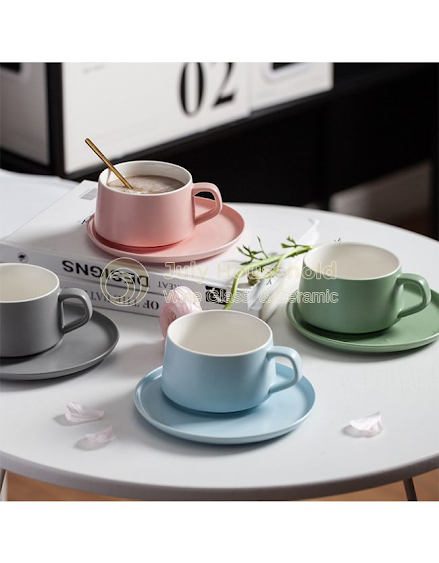
 Tea and coffee have always been more than mere beverages; they're symbols of relaxation, comfort, and social connection. Ceramic cups and saucers play a significant role in enhancing the overall experience of sipping these beloved drinks. Made from clay and fired at high temperatures, ceramic cups offer durability, versatility, and aesthetic appeal.

History and Origins of Ceramic Tableware

Ceramic tableware has a rich history that spans across various civilizations. Ancient cultures, such as the Chinese, Greeks, and Persians, have been using ceramics for thousands of years. The craft of pottery-making evolved, leading to the creation of beautiful and functional tea and coffee cups.

The Beauty of Ceramic Cups and Saucers

Ceramic cups and saucers come in a wide range of designs, colors, and patterns, allowing individuals to find pieces that resonate with their personal style. Whether you prefer a minimalist and sleek look or intricate hand-painted designs, there's a ceramic cup and saucer set to match your preferences.

The Advantages of Using Ceramic Tableware

Ceramic cups and saucers offer numerous advantages over other materials. Firstly, ceramic is a great insulator, helping to keep your hot beverages warm for longer periods. Additionally, ceramic is microwave and dishwasher safe, making it convenient for everyday use. Moreover, ceramic tableware is non-toxic and doesn't leach harmful chemicals into your drinks.

How to Choose the Perfect Ceramic Tea and Coffee Cup

When selecting a ceramic tea or coffee cup, consider factors such as size, shape, handle comfort, and the thickness of the ceramic. The cup should fit comfortably in your hand, allowing you to savor each sip. It's also essential to choose a cup with a well-designed handle that provides a secure grip.

Caring for Your Ceramic Cups and Saucers

To ensure the longevity of your ceramic cups​ and saucers, proper care is necessary. Avoid exposing them to extreme temperature changes, as sudden shifts can cause cracking. It's recommended to hand wash your ceramic tableware or use a gentle dishwasher cycle to maintain their beauty and integrity.

Popular Designs and Styles of Ceramic Cups

Ceramic cups and saucers come in an array of popular designs and styles. Some individuals prefer classic and elegant designs, while others opt for modern and minimalist aesthetics. From solid colors to intricate patterns, there's a ceramic cup and saucer set to match any taste or occasion.

Ceramic vs. Porcelain: What's the Difference?

There is often confusion between ceramic and porcelain tableware. While both are made from clay, the main difference lies in the firing temperature. Porcelain is fired at a higher temperature, resulting in a more refined and delicate material. Ceramic, on the other hand, is known for its durability and sturdiness.

2023年6月24日星期六

Components and Structure of W Beam Guardrail

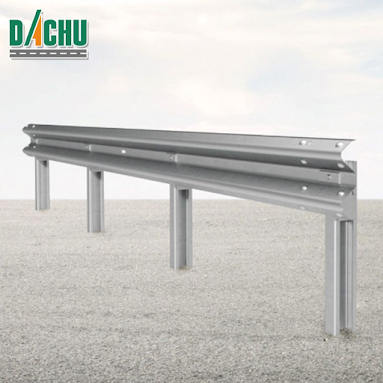
 The W Beam Guardrail is composed of several key components that work together to create a sturdy and effective roadside safety barrier. Understanding the components and structure of W Beam Guardrail is essential for proper installation, maintenance, and overall performance. Let's explore these components in detail.

W-Beam:

The W-shaped steel beam is the primary component of the guardrail system. It is named after its distinctive profile, resembling the letter "W" when viewed from the side. The W-beam provides strength and rigidity to the guardrail, enabling it to absorb and redirect the energy of impacting vehicles. The beam is typically made of galvanized steel, which offers durability and corrosion resistance.


Posts:

The guardrail posts provide support and secure the W-beams in place. They are typically made of galvanized steel, wood, or a combination of both. The posts are installed at regular intervals along the roadway and are embedded into the ground or attached to a base plate. The spacing between the posts depends on various factors, including the design standards and the specific site conditions.


Splice Bolts/Connectors:

Splice bolts or connectors are used to connect adjacent W-beams to create a continuous and uninterrupted guardrail system. These specialized fasteners ensure a secure and reliable connection between the beams. The bolts or connectors are typically made of high-strength steel and are designed to withstand the forces generated during vehicle impacts.


Terminal Ends:

Terminal ends are crucial components located at the beginning and end of a guardrail system. Their purpose is to safely redirect impacting vehicles and minimize the risk of vehicle snagging or spearing through the guardrail. There are different types of terminal ends, such as impact attenuators, energy-absorbing terminals, and anchored end treatments. These terminal ends are designed to absorb and dissipate the energy of a collision, reducing the severity of the impact.


Blockouts/Spacers:

Blockouts or spacers are additional components used in the guardrail system to maintain the proper alignment and height of the W-beams. They are inserted between the W-beams and the posts, ensuring consistent spacing and positioning. Blockouts also play a role in reducing the likelihood of vehicle snagging and improving the overall performance of the guardrail system.


Hardware:

Various hardware components, such as bolts, nuts, washers, and anchors, are essential for securely fastening and assembling the guardrail system. These hardware components provide strength and stability to the guardrail, ensuring that it can withstand the forces generated during vehicle impacts. Galvanized or corrosion-resistant hardware is typically used to maintain the longevity and performance of the guardrail.


The structure of the W Beam Guardrail system is designed to provide effective containment and redirection of impacting vehicles. The W-beams are attached to the posts through the use of splice bolts or connectors, creating a continuous barrier along the roadside. The height of the W-beams, the post spacing, and the overall alignment of the guardrail are determined by specific design standards and regulations.


Proper installation and maintenance of the guardrail system are crucial to its effectiveness. The posts must be securely embedded or anchored to withstand impact forces. Regular inspections are necessary to identify and replace any damaged or worn components, ensuring the integrity and functionality of the guardrail.


In conclusion, the components and structure of a W Beam Guardrail include the W-shaped beams, posts, splice bolts/connectors, terminal ends, blockouts/spacers, and hardware. These components work together to create a robust and reliable roadside safety barrier that helps minimize the severity of collisions and provides protection to motorists and pedestrians. Understanding these components is vital for proper installation, maintenance, and adherence to design standards to ensure optimal performance of the guardrail system manufacturer​.

2023年6月20日星期二

Benefits of Using a High Pressure Washer Nozzle

 Cleaning outdoor surfaces can be a tedious and time-consuming task. However, with the high pressure washer nozzle, you can say goodbye to manual scrubbing and hello to efficient cleaning. This nozzle is specifically designed to harness the power of high-pressure water, allowing you to effortlessly remove dirt, grime, and stains from various surfaces. Whether you need to clean your driveway, patio, car, or outdoor furniture, the high-pressure washer nozzle is your ultimate cleaning companion.

Understanding the High Pressure Washer Nozzle

The high-pressure washer nozzle is a specialized attachment that fits onto your existing pressure washer. It works by increasing the water pressure from your pressure washer, creating a powerful stream of water. This concentrated stream is highly effective in removing stubborn dirt, grease, and debris from surfaces. The high-pressure washer nozzle typically features adjustable settings, allowing you to control the intensity of the water stream based on the cleaning task at hand.


Key Features of a High Pressure Washer Nozzle

Adjustable Spray Patterns: A high-pressure washer nozzle offers various spray patterns, such as a focused jet, fan spray, or wide-angle spray. These adjustable settings enable you to customize the water stream according to the surface and cleaning requirements.

Quick Connect System: Most high-pressure washer nozzles feature a quick connect system that allows for easy attachment and detachment to your pressure washer. This convenience saves you time and effort during setup and cleanup.

Durable Construction: A high-quality high-pressure washer nozzle is typically constructed from robust materials, ensuring durability and longevity. Look for models made from stainless steel or brass, as they are resistant to corrosion and can withstand high water pressures.

Benefits of Using a High Pressure Washer Nozzle

Using a high pressure spray gun nozzle offers numerous benefits that enhance your cleaning experience:

Time and Effort Savings: The powerful water stream generated by the high-pressure washer nozzle significantly reduces the time and effort required for cleaning. You can complete your cleaning tasks in a fraction of the time compared to traditional methods.

Effective Cleaning: The high-pressure water stream effectively removes stubborn dirt, grime, and stains from various surfaces, including concrete, wood, metal, and plastic. It penetrates deep into the pores of the material, ensuring a thorough cleaning.

Versatility: The high-pressure washer nozzle is suitable for a wide range of cleaning applications. From cleaning your car to revitalizing your deck, it can handle various surfaces and tasks with ease.

Eco-Friendly: Compared to traditional cleaning methods that often require harsh chemicals, the high-pressure washer nozzle relies solely on the power of water. It is a more environmentally friendly option, reducing chemical usage and minimizing water wastage.

More details please contact www.hcwinches.com

2023年6月19日星期一

Applications of LiFePO4 Prismatic Cells

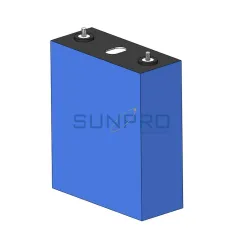
LiFePO4 prismatic cells have emerged as a game-changing technology in the field of advanced batteries. With their remarkable performance, safety features, and environmental advantages, these cells are revolutionizing various industries, from electric vehicles to renewable energy storage.

Applications of LiFePO4 Prismatic Cells

LiFePO4 prismatic cells have found extensive applications in various industries, including:

a. Electric Vehicles (EVs)

The automotive industry has embraced LiFePO4 prismatic cells for electric vehicles due to their high energy density, long cycle life, and enhanced safety. These cells provide the necessary power to propel electric vehicles efficiently, offering longer driving ranges and shorter charging times.

b. Renewable Energy Storage

LiFePO4 prismatic cells play a vital role in storing renewable energy generated from sources like solar panels and wind turbines. The cells capture and store the excess energy during peak production periods, allowing it to be utilized during low production or high demand periods. This helps create a stable and sustainable energy supply.

c. Portable Electronics

LiFePO4 prismatic cells are also used in a wide range of portable electronic devices, such as smartphones, tablets, and laptops. Their high energy density and long cycle life make them an ideal choice for powering these devices, ensuring extended usage between charges.

Charging and Discharging Characteristics

LiFePO4 battery exhibit excellent charging and discharging characteristics. They can accept and deliver high currents, allowing for rapid charging and discharging cycles. This feature is especially beneficial in applications where quick power delivery is essential, such as electric vehicles and energy storage systems.

Safety Features of LiFePO4 Prismatic Cells

LiFePO4 prismatic cells are designed with safety as a top priority. The inherent stability of the LiFePO4 chemistry greatly reduces the risk of thermal runaway, making them highly safe and reliable. Additionally, these cells have built-in protection mechanisms, including overcharge protection, over-discharge protection, and short circuit prevention, further enhancing their safety features.

Comparison with Other Lithium-ion Battery Technologies

LiFePO4 prismatic cells offer several advantages compared to other lithium-ion battery technologies:

a. Cobalt-Free Chemistry

Unlike lithium-ion batteries that use cobalt-based cathode materials, LiFePO4 prismatic cells use an iron-based cathode material. This cobalt-free chemistry eliminates the concerns associated with cobalt, such as price volatility and ethical sourcing.

b. Enhanced Thermal Stability

LiFePO4 prismatic cells exhibit superior thermal stability compared to other lithium-ion batteries. They are less prone to thermal runaway and have a lower risk of overheating or catching fire, ensuring a safer battery operation.

c. Environmental Friendliness

LiFePO4 prismatic cells are considered more environmentally friendly than other lithium-ion battery chemistries. They do not contain toxic heavy metals, such as lead or cadmium, making them safer to manufacture, use, and dispose of.

Environmental Benefits of LiFePO4 Prismatic Cells

LiFePO4 prismatic cells contribute to a greener and more sustainable future in several ways:

a. Reduced Carbon Emissions

The use of LiFePO4 Lithium Batteries in electric vehicles and renewable energy storage helps reduce reliance on fossil fuels, resulting in lower carbon emissions. This transition to clean energy sources contributes to mitigating climate change and improving air quality.

b. Increased Energy Efficiency

By efficiently storing and delivering electrical energy, LiFePO4 prismatic cells minimize energy losses and improve overall system efficiency. This translates into better utilization of renewable energy sources and reduced energy wastage.

c. Recycling and Reusability

LiFePO4 prismatic cells can be recycled and their valuable components reused. This recycling capability reduces the demand for raw materials and minimizes the environmental impact associated with the extraction and manufacturing processes.

Future Developments and Trends

The field of LiFePO4 prismatic cells continues to evolve rapidly. Some emerging developments and trends include:

  • Further improvements in energy density, allowing for even more extended battery life and increased power capacity.

  • Advancements in manufacturing techniques to enhance the scalability and cost-effectiveness of LiFePO4 prismatic cells.

  • Integration of LiFePO4 prismatic cells with smart grid systems to enable efficient energy management and grid stabilization.


2023年6月18日星期日

The Process of Aluminum Casting

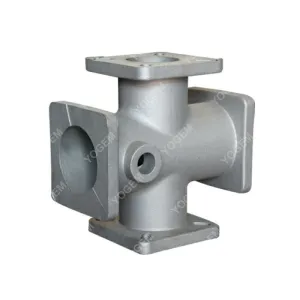
 Aluminum casting is a process that transforms molten aluminum into solid objects with specific shapes and dimensions. It is a highly versatile technique used across industries such as automotive, aerospace, construction, and consumer goods. The process allows for the production of lightweight and corrosion-resistant aluminum components that offer exceptional mechanical properties.

The Process of Aluminum Casting

The process of aluminum casting typically involves the following steps:

a. Pattern Creation

A pattern, also known as a replica of the final part, is created using materials such as wood, plastic, or metal. The pattern represents the desired shape and features of the final aluminum component.

b. Mold Preparation

A mold is made by enclosing the pattern in a refractory material such as sand, plaster, or ceramic. The mold consists of two halves, known as the cope and the drag, which are assembled to create a cavity.

c. Melting and Pouring

Aluminum is melted in a furnace at high temperatures, typically around 700-900°C (1300-1650°F). Once molten, the aluminum is poured into the mold cavity through a gating system.

d. Cooling and Solidification

The molten aluminum cools and solidifies inside the mold, taking the shape of the pattern. The cooling time depends on the size and complexity of the component.

e. Mold Removal and Finishing

After solidification, the mold is opened, and the aluminum component is removed. Finishing processes such as trimming, grinding, and polishing are performed to achieve the desired surface finish and dimensional accuracy.

Types of Aluminum Casting Methods

There are several methods used for aluminum die casting, each suited for specific applications and production requirements. The common types include:

a. Sand Casting

Sand casting is the most widely used method for aluminum casting. It involves creating a mold using a mixture of sand and a binder. Sand casting offers flexibility, cost-effectiveness, and the ability to produce large and complex components.

b. Die Casting

Die casting utilizes reusable steel molds, known as dies, to produce high-volume aluminum components with excellent dimensional accuracy and surface finish. It is a precise and efficient method commonly used for automotive and electronic parts.

c. Investment Casting

Investment casting, also known as lost-wax casting, is a process that involves creating a wax pattern, coating it with ceramic, and then melting the wax to create a mold. It is suitable for intricate and detailed aluminum components.

d. Permanent Mold Casting

Permanent mold casting involves using a reusable mold made of steel or other materials. The molten aluminum is poured into the mold, allowing for the production of consistent and high-quality components.

Applications of Aluminum Casting

Aluminum casting finds a wide range of applications in various industries. Some common applications include:

a. Automotive Industry

Aluminum casting is extensively used in the automotive industry for engine components, transmission parts, wheels, and structural components. Its lightweight properties contribute to fuel efficiency and improved performance.

b. Aerospace Industry

The aerospace sector utilizes aluminum casting for aircraft components, including engine parts, structural elements, and interior components. Aluminum's high strength-to-weight ratio makes it ideal for aerospace applications.

c. Construction Industry

In the construction industry, aluminum casting is employed for architectural components, window frames, doors, and other structural elements. Aluminum's corrosion resistance and durability make it a preferred material in construction projects.

d. Consumer Goods

Aluminum casting is also used in the production of consumer goods such as kitchenware, furniture, sporting equipment, and electronic devices. Its versatility and aesthetic appeal make it a popular choice among manufacturers.


Aluminum casting is a versatile and efficient manufacturing process that enables the production of lightweight, strong, and corrosion-resistant aluminum components. Its applications span across industries, ranging from automotive and aerospace to construction and consumer goods. With its numerous advantages, such as design flexibility and cost-effectiveness, aluminum casting continues to play a significant role in modern manufacturing​.

2023年6月15日星期四

The Benefits of Plastic Flower Pots: Why They Are a Popular Choice

 Plastic flower pots have gained immense popularity among gardeners and plant enthusiasts for a variety of reasons. These lightweight and versatile containers offer numerous benefits that make them a preferred choice for planting and cultivating various types of flowers, herbs, and even small shrubs. In this article, we will explore the advantages of plastic flower pots and why they have become such a popular option.

Durability

One of the key advantages of plastic flower pot is their durability. Made from sturdy and resilient materials, such as polypropylene or recycled plastics, these pots can withstand different weather conditions and resist cracking, chipping, or breaking. Unlike fragile clay or ceramic pots, plastic pots are less prone to damage, making them a long-lasting investment for gardeners.

Lightweight and Portable

Plastic flower pots are notably lightweight, which makes them easy to handle and transport. This feature is particularly beneficial for individuals with limited physical strength or those who like to rearrange their garden layout frequently. Whether you need to move plants indoors during winter or simply rearrange your outdoor garden, plastic pots offer convenience and ease of use.

Cost-Effective

Plastic flower pots are generally more affordable compared to pots made from other materials like clay or ceramic. The lower production costs associated with plastic manufacturing result in more budget-friendly options for gardeners. This affordability allows garden enthusiasts to purchase a larger number of pots or experiment with different plant varieties without breaking the bank.

Versatility

Plastic flower pots come in a wide range of sizes, shapes, and designs, offering great versatility to suit various gardening preferences. Whether you have limited space and need small pots for windowsills or larger pots for patio gardens, plastic pots can accommodate your needs. They are available in different colors and styles, allowing you to match them to your garden décor or create eye-catching arrangements.

Excellent Drainage

Proper drainage is crucial for plant health, and plastic pots excel in this aspect. Many plastic pots come with pre-drilled drainage holes at the bottom, allowing excess water to escape and preventing the roots from becoming waterlogged. In addition, plastic is non-porous, which means it doesn't absorb water, reducing the risk of water-related issues such as mold or root rot.

Insulation

Plastic flower pots offer good insulation for plant roots. They help regulate soil temperature, providing a more stable environment for plant growth. Plastic pots act as a barrier against extreme heat or cold, protecting the roots from temperature fluctuations. This insulation feature is particularly beneficial in regions with harsh climates or when growing plants that are sensitive to temperature changes.

Low Maintenance

Plastic pots require minimal maintenance compared to pots made from other materials. They are easy to clean, as dirt and debris can be easily wiped off with a damp cloth or rinsed with water. Plastic is also resistant to staining, making it suitable for long-term use without worrying about discoloration.

Lightweight for Hanging Planters

Plastic flower pots are especially suitable for hanging planters due to their lightweight nature. Hanging baskets made from plastic are easier to hang and support, reducing the strain on hooks or brackets. The lightweight feature allows for creative vertical gardening options, adding visual interest and maximizing space utilization.

Eco-Friendly Options

In recent years, manufacturers have introduced eco-friendly plastic flower pots made from recycled materials. These pots help reduce plastic waste and contribute to a more sustainable gardening approach. Additionally, biodegradable plastic pots made from organic materials provide an environmentally friendly alternative that can be planted directly into the ground, minimizing waste and promoting plant growth.

Compatibility with Indoor and Outdoor Settings

Plastic flower pots are suitable for both indoor and outdoor gardening. They can withstand indoor conditions with controlled temperature and humidity levels, as well as outdoor exposure to sunlight and varying weather conditions. This versatility allows gardeners to seamlessly transition plants between indoor and outdoor spaces without the need for repotting.


In conclusion, the benefits of OUK plastic flower pots have made them a popular choice among gardeners worldwide. Their durability, lightweight nature, affordability, excellent drainage, insulation properties, low maintenance requirements, and compatibility with different settings make them a versatile and practical option for growing a wide range of plants. Whether you are a novice gardener or a seasoned plant enthusiast, plastic flower pots offer numerous advantages that enhance the gardening experience and contribute to the success of your green endeavors.

2023年5月19日星期五

Are electric motorcycles the future of eco-friendly transportation?

In recent years, there has been a growing interest in electric motorcycles as a more eco-friendly mode of transportation. With concerns over climate change and pollution, many people are looking for ways to reduce their carbon footprint, and electric motorcycles may be one solution.

Are electric motorcycles the future of eco-friendly transportation?

So, are electric motorcycles the future of eco-friendly transportation? Let's take a closer look at the benefits and drawbacks of these vehicles.


First and foremost, electric motorcycles are powered by electricity rather than fossil fuels. This means they produce zero emissions while driving, making them a much greener option compared to traditional gas-powered motorcycles. In addition, electric motorcycles can be charged using renewable energy sources such as solar or wind power, further reducing their impact on the environment.


Electric motorcycles are also much quieter than traditional motorcycles, which can help to reduce noise pollution in urban areas. They are also cheaper to operate, with lower maintenance costs and lower fuel costs, which can save riders money in the long run.


However, there are also some drawbacks to electric motorcycles. One of the main concerns is range anxiety - the fear that the battery will run out of charge before reaching the destination. While the range of electric motorcycles has improved in recent years, they still have a shorter range than gas-powered motorcycles, and charging infrastructure is not as widely available as gas stations.


Another concern is the initial cost of purchasing an electric motorcycle, which can be higher than a comparable gas-powered motorcycle. This can make it difficult for some riders to justify the investment, especially if they only use their motorcycle for short trips or recreational purposes.


Despite these challenges, it seems likely that electric motorcycles will play an increasingly important role in eco-friendly transportation in the future. With advances in technology and improvements in infrastructure, electric motorcycles are becoming more accessible and practical for a wider range of riders.


In conclusion, electric motorcycles offer a promising solution for those who are concerned about the environment and looking for a more eco-friendly mode of transportation. While there are still some challenges to overcome, the benefits of electric motorcycles are clear, and they may well be the future of transportation on two wheels.

2023年4月26日星期三

The Importance of Brake Pads for Safe Driving

  Brake pads are one of the most critical components of a vehicle's braking system. They play a crucial role in ensuring the safety of drivers and passengers on the road. Brake pads are responsible for creating friction between the brake rotor and caliper, which slows down the wheels and brings the vehicle to a stop. In this article, we will discuss the importance of brake pads and how they work.

How Brake Pads Work

When you step on the brake pedal, the brake pads squeeze the rotor, which slows down the rotation of the wheel. The friction created by this action generates heat, which dissipates into the air. This process converts the kinetic energy of the vehicle into thermal energy, and the vehicle comes to a stop.

There are two types of brake pads: organic and metallic. Organic brake pads are made of materials like rubber, Kevlar, and carbon. They are generally softer than metallic brake pads and generate less noise. Metallic brake pads, on the other hand, are made of materials like steel, iron, and copper. They are harder than organic brake pads and are better suited for heavy-duty applications.


The Importance of Brake Pads

Brake pads are an essential safety feature of any vehicle. They are designed to wear down over time, which is why it is important to replace them periodically. If you ignore worn brake pads, they can cause serious problems that can put you and your passengers in danger.

One of the most common problems associated with worn brake pads is reduced stopping power. As the brake pads wear down, they become less effective at slowing down the vehicle. This can cause the vehicle to take longer to come to a stop, increasing the risk of a collision.

Worn brake pads can also cause damage to other components of the braking system. For example, if the brake pads wear down too much, they can cause damage to the rotors. This can result in costly repairs and reduced performance of the vehicle.

Signs That Your Brake Pads Need to be Replaced

It is important to pay attention to the signs that your brake pads need to be replaced. Some of the most common signs include:

Squealing or grinding noise when you apply the brakes

Reduced stopping power

Vibration or pulsation in the brake pedal

Longer stopping distances

If you notice any of these signs, you should have your brake pads inspected by a professional mechanic. They can determine if your brake pads need to be replaced and advise you on the best course of action.

Conclusion

In conclusion, custom brake pads are an essential component of any vehicle's braking system. They play a crucial role in ensuring the safety of drivers and passengers on the road. It is important to pay attention to the signs that your brake pads need to be replaced and have them inspected by a professional mechanic. By doing so, you can help ensure that your vehicle is in good working condition and reduce the risk of a collision on the road.


2023年4月23日星期日

ITO Technology Multi-Touch Screen: Advancements in User Interface Technology

  In recent years, touchscreen technology has revolutionized the way we interact with devices, from smartphones to tablets, laptops, and even home appliances. One of the most popular and widely used touchscreen technologies is the Indium Tin Oxide (ITO) multi-touch screen. In this article, we will explore ITO technology and how it has advanced the user interface experience.

The ITO Multi-Touch Screen

ITO is a transparent conductive material that is widely used in the construction of touchscreens. It is a combination of indium oxide and tin oxide, with a typical composition of 90% In2O3 and 10% SnO2. ITO is applied as a thin film on the surface of the screen, which is then used to detect the touch input.

The ITO multi-touch screen works by using the electrical properties of the human body. When a finger or stylus touches the screen, it creates a conductive path between the two layers of the screen, which is then detected by the controller. The controller then calculates the exact location of the touch point and sends the corresponding input command to the device's processor.

Advantages of ITO Technology Multi-Touch Screen

The popularity of ITO technology can be attributed to the many advantages it offers over other touchscreen technologies. Here are some of the benefits of ITO multi-touch screens:


High Sensitivity: ITO touchscreens are highly sensitive and can detect even the slightest touch or gesture, making them ideal for precision applications such as drawing and handwriting recognition.

Multi-Touch Support: ITO touchscreens support multi-touch gestures, allowing users to perform complex operations such as pinch-to-zoom, swipe, and rotate.

Durability: ITO touchscreens are built to last, with a robust construction that can withstand heavy use and exposure to harsh environments.

Clarity: ITO touchscreens are known for their clarity and brightness, with excellent color reproduction and viewing angles.

Energy Efficiency: ITO touchscreens are highly energy-efficient, requiring less power to operate than other touchscreen technologies.

Applications of ITO Technology Multi-Touch Screen

ITO technology is used in a wide range of applications, from consumer electronics to industrial and medical devices. Here are some of the areas where ITO multi-touch screens are commonly used:

Consumer Electronics: ITO touchscreens are used in smartphones, tablets, laptops, and other consumer electronics, providing users with a seamless and intuitive interface.

Industrial Control Systems: ITO touchscreens are used in industrial control systems, providing operators with an easy-to-use interface for controlling complex machinery and processes.

Point-of-Sale Terminals: ITO touchscreens are used in point-of-sale terminals, allowing customers to interact with the system to make purchases and transactions.

Medical Devices: ITO touchscreens are used in medical devices such as patient monitors and diagnostic equipment, providing healthcare professionals with an easy-to-use interface for patient care.

Conclusion

In conclusion, ITO technology has advanced the user interface experience, providing users with a seamless and intuitive way to interact with devices. With its high sensitivity, multi-touch support, durability, clarity, and energy efficiency, ITO multi-touch screens are rapidly becoming the go-to technology for touchscreen devices worldwide. As technology continues to advance, we can expect to see even more advancements in user interface technology, making our lives easier and more intuitive.

2023年4月19日星期三

Understanding Pressure Vessel Heads: Types and Functions

 A pressure vessel is a container designed to hold gases or liquids at high pressures and temperatures. These vessels are used in a variety of industries, including oil and gas, chemical processing, and nuclear power plants. One critical component of a pressure vessel is the head, which is the closure at the top or bottom of the vessel. In this article, we will explore the different types of pressure vessel heads and their functions.

Types of Pressure Vessel Heads:

Flat Head: A flat head is the simplest type of head used in pressure vessels. It is a flat plate that is welded to the end of the vessel. Flat heads are commonly used in vessels that have a small diameter.

Hemispherical Head: A hemispherical head is a half-sphere that is welded to the end of the vessel. Hemispherical heads distribute stress evenly across the surface, making them ideal for high-pressure applications. They are commonly used in tanks that have a large diameter.

Torispherical Head: A torispherical head is a combination of a toroidal shape and a spherical shape. The radius of the toroidal portion of the head is larger than the radius of the spherical portion. This type of head is commonly used in pressure vessels that have a moderate diameter.


Ellipsoidal Head: An ellipsoidal head is an elliptical shape that is welded to the end of the vessel. This type of head has a shallower depth than a hemispherical head but can withstand high pressures.

Functions of Pressure Vessel Heads:

Closure: The primary function of a Clad Head For Pressure Vessels is to close off the top or bottom of the vessel. The head must be securely attached to the vessel to prevent any leaks or failures.

Pressure Retention: The head of a pressure vessel is designed to withstand the pressure inside the vessel. The shape and thickness of the head are critical factors in determining the strength of the vessel.

Safety: Pressure vessels are designed to contain hazardous substances under high pressure. The head of the vessel must be strong enough to prevent any accidents or explosions.

Maintenance: Pressure vessels must be inspected and maintained regularly to ensure they are in good condition. The head of the vessel must be removable to allow for inspections and repairs.

In conclusion, pressure vessel heads are critical components of pressure vessels that play a vital role in maintaining the safety and integrity of the vessel. The type of head used depends on the size and pressure requirements of the vessel. Hemispherical heads are commonly used in large vessels, while flat heads are used in smaller vessels. Torispherical and ellipsoidal heads are used in moderate-sized vessels. Pressure vessel heads must be designed and manufactured to strict standards to ensure they can withstand the pressures and stresses placed on them. Regular inspections and maintenance of pressure vessel heads are essential to prevent any accidents or failures.Learn about Clad Head

2023年4月10日星期一

Understanding Heavy Duty Springs for Cars

 Springs are an integral part of any car's suspension system. They help absorb shocks and maintain the vehicle's stability and control while driving. Heavy-duty springs, in particular, are designed to provide enhanced performance and durability for vehicles that are subjected to heavy loads, rough terrain, and demanding driving conditions.

In this article, we will discuss the benefits of heavy-duty springs, how they work, and the different types available for different types of vehicles.

What are Heavy-Duty Springs?

Heavy-duty springs, as the name suggests, are stronger and more durable than regular springs. They are designed to withstand heavier loads and provide better stability and handling in challenging driving conditions. Heavy-duty springs are typically made of high-quality materials, such as chrome-silicon or chrome-vanadium, which have excellent tensile strength and fatigue resistance.

Benefits of Heavy-Duty Springs

Heavy-duty springs offer several benefits over regular springs. First and foremost, they provide better load-carrying capacity, which is essential for vehicles that are used for heavy hauling or towing. Heavy-duty springs can handle more weight without sagging or bottoming out, which helps maintain the vehicle's stability and handling.


Another benefit of heavy-duty springs is that they offer better resistance to wear and tear. They are designed to withstand the constant stress and strain of heavy loads and rough terrain, which helps prolong their lifespan and reduce the need for frequent replacements.

In addition, heavy-duty springs can also improve the vehicle's overall performance by providing better handling and stability. They help distribute the weight of the vehicle more evenly, which reduces the risk of rollovers and improves the vehicle's cornering ability. Heavy-duty springs also help reduce body roll, which can be especially beneficial for vehicles that are used for racing or off-roading.

How Heavy-Duty Springs Work

Springs work by absorbing and releasing energy as the vehicle moves over bumps and dips in the road. When the wheels encounter an obstacle, the springs compress, absorbing the shock and transferring the energy to the shock absorbers. The shock absorbers then dissipate the energy by converting it into heat, which is then dissipated into the air.

Heavy-duty springs work in the same way as regular springs, but they are designed to handle more stress and strain. They are made of stronger materials, which means they can absorb more energy without bottoming out or sagging. This helps maintain the vehicle's stability and control, even in challenging driving conditions.

Types of Heavy-Duty Springs

There are several types of heavy-duty springs available, each designed for specific types of vehicles and driving conditions. Some of the most common types include:

Coil Springs - Coil springs are the most common type of spring used in modern vehicles. They are made of a long, coiled wire that compresses and expands as the vehicle moves over bumps and dips in the road. Heavy-duty coil springs are designed to handle heavier loads and provide better stability and handling.

Leaf Springs - Leaf springs are commonly used in trucks and SUVs. They consist of several thin metal strips stacked on top of each other, which flex and bend as the vehicle moves over bumps and dips in the road. Heavy-duty leaf springs are designed to handle heavier loads and provide better stability and control.

Torsion Bars - Torsion bars are a type of spring that uses a twisted metal rod to provide suspension. The rod twists as the vehicle moves over bumps and dips in the road, absorbing the shock and providing stability and control. Heavy-duty torsion bars are designed to handle heavier loads and provide better performance in challenging driving conditions.

In conclusion, heavy-duty springs are an essential component of any vehicle that is subjected to heavy loads or challenging driving conditions. They offer better load-carrying capacity, durability

Learn more