2023年11月29日星期三

What will the selection of aerial work platform depend on?

 Choosing the right aerial work platform (AWP) is crucial for ensuring safety, efficiency, and effectiveness in various tasks that require working at elevated heights. The selection process depends on a range of factors to match the specific needs of the job. Here are key considerations that influence the choice of an aerial work platform:

**1. Type of Work:

The nature of the work being performed greatly influences the choice of AWP. Different tasks, such as painting, maintenance, construction, or electrical work, may require specific features or configurations.

**2. Working Height Requirements:

The vertical reach needed for the task determines the required working height of the aerial work platform. Consider the maximum height the AWP needs to reach to ensure it meets the project's specifications.

**3. Horizontal Reach:

Some tasks may require reaching not only vertically but also horizontally. Consider the horizontal outreach capabilities of the AWP, especially for tasks that involve reaching over obstacles or accessing specific areas.

**4. Weight Capacity:

The weight capacity of the mobile aerial work platform is crucial for ensuring the safety of workers and equipment. Factor in the combined weight of workers, tools, and materials to determine the necessary capacity.


**5. Indoor vs. Outdoor Use:

The environment in which the AWP will be used plays a significant role. Indoor tasks may require compact and electrically powered AWPs, while outdoor applications might necessitate larger, rough-terrain models with greater stability.

**6. Terrain Conditions:

Consider the type of terrain the AWP will be operating on. Rough-terrain models are designed for uneven surfaces, while electric models are suitable for smooth, indoor floors.

**7. Power Source:

Choose between electric, diesel, or dual-fuel (hybrid) options based on the availability of power sources and the specific requirements of the job. Electric AWPs are often preferred for indoor applications due to their lower noise levels and zero emissions.

**8. Maneuverability:

The layout and accessibility of the work area influence the choice of AWP. Consider the maneuverability of the platform, especially if the task requires navigating through tight spaces or around obstacles.

**9. Outreach and Articulation:

For tasks that involve reaching over obstacles or accessing difficult-to-reach areas, consider AWPs with articulating booms or telescopic booms for enhanced flexibility.

**10. Transportation and Storage:

The ease of transportation and storage is a practical consideration. Some AWPs are compact and lightweight, making them suitable for easy transport and storage on job sites.

**11. Regulatory Compliance:

Ensure that the selected AWP complies with safety and regulatory standards. This includes checking whether the equipment meets the required industry and regional safety standards.

**12. Operator Training and Certification:

Adequate training and certification are essential for AWP operators. Consider the familiarity and training requirements associated with the specific type of aerial work platform being used.

**13. Cost Considerations:

Factor in the upfront costs, maintenance expenses, and operational costs associated with the AWP. Consider whether renting or purchasing the equipment aligns with the budget and duration of the project.

By carefully considering these factors, organizations can choose the most suitable aerial work platform for their specific needs, promoting safety and efficiency in elevated work environments.

2023年11月28日星期二

The Significance of Rockchip ARM in 3D Machines

 Rockchip ARM motherboards have been making waves in the tech industry, and when it comes to the integration of 3D technology, these motherboards are at the forefront. In this article, we will explore the significance of Rockchip ARM motherboards in the context of 3D machines, delving into their origins, the process of their evolution, and the profound impact they have on the world of computing.

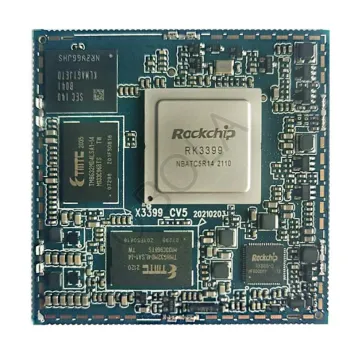
Rockchip ARM Motherboard RK3399 for 3D Machine

The Genesis of Rockchip ARM Motherboards

The Rockchip ARM architecture has long been recognized for its efficiency and versatility in powering a wide range of electronic devices. The integration of Rockchip ARM architecture into motherboards has unlocked new possibilities, especially in the realm of 3D machines. These motherboards serve as the backbone for devices that require robust processing capabilities, making them ideal for handling the complex algorithms and computations involved in rendering three-dimensional graphics.


Evolution and Advancements

As technology continues to advance, Rockchip ARM motherboards have evolved to meet the increasing demands of 3D applications. The integration of powerful GPUs (Graphics Processing Units) on these motherboards has been a key factor in enhancing their 3D rendering capabilities. This evolution ensures smoother and more realistic graphics, making Rockchip ARM-powered 3D machines a preferred choice for gaming, design, and simulation applications.


The Significance of Rockchip ARM in 3D Machines

1. Powerful Processing

Rockchip ARM motherboards boast powerful processing capabilities, making them well-suited for handling the intricate computations required for 3D rendering. This results in faster and more efficient performance in applications ranging from graphic design to virtual reality experiences.

2. contribute to the energy efficiency of 3D machines

The streamlined design and optimized power consumption of Rockchip ARM processors ensure that the hardware can deliver high performance without unnecessarily draining power resources. This energy efficiency is not only environmentally conscious but also extends the battery life of portable devices utilizing Rockchip ARM motherboards.

3. Versatility in Applications

Rockchip ARM motherboards offer versatility in application, supporting a wide array of software and operating systems. This flexibility is crucial in the diverse landscape of 3D applications, where different industries require tailored solutions. Whether used in gaming consoles, graphic design workstations, or virtual reality systems, the adaptability of Rockchip ARM architecture makes it a preferred choice.


Impact on the Computing Landscape

The integration of Rockchip ARM motherboards into 3D machines has significantly influenced the computing landscape. The accessibility of high-performance 3D graphics has become more widespread, democratizing the use of advanced visual technologies. This impact is particularly evident in industries such as gaming, where realistic and immersive graphics have become a standard expectation.


Future Implications

Looking ahead, the continued development of Rockchip ARM technology holds promising implications for the future of 3D machines. As advancements in semiconductor technology and GPU capabilities persist, we can anticipate even more powerful and efficient Rockchip ARM motherboards. These developments will likely lead to enhanced graphics, improved energy efficiency, and broader applications in fields such as medical imaging, architectural design, and educational simulations.


In conclusion, the marriage of Rockchip ARM motherboards and 3D machines signifies a pivotal moment in the evolution of computing. The efficiency, versatility, and powerful processing capabilities of Rockchip ARM architecture contribute to the seamless integration of 3D technology into various aspects of our lives. As we witness ongoing advancements, it is evident that Rockchip ARM-powered 3D machines will continue to shape the future of visual computing, providing innovative solutions across diverse industries.

Are you interested in learning more about Rockchip SOM and how they can benefit you? Contact Obola​ today to secure an expert consultation!

2023年11月27日星期一

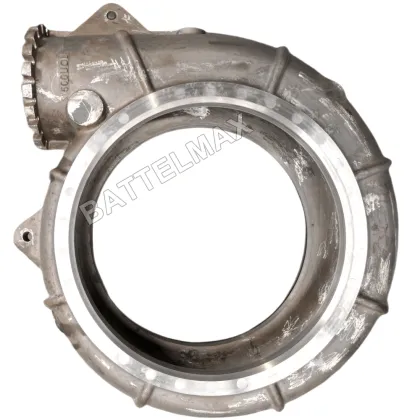
Replacing Worn-Out Metal Slurry Pump Impeller: A Step-By-Step Guide

 When dealing with a worn-out metal slurry pump impeller, it's crucial to replace it promptly to maintain optimal pump performance. Follow these step-by-step instructions to ensure a smooth and effective replacement process.

Step 1: Safety Precautions

Before starting the replacement, prioritize safety. Turn off the pump and disconnect the power source. Wear appropriate personal protective equipment (PPE), including gloves and eye protection.

Step 2: Gather Necessary Tools and Materials

Collect all the tools and materials needed for the replacement. This may include a wrench, screwdriver, replacement impeller, gasket, and any other items specified in the pump manual.

Slurry Pump Impeller

Step 3: Identify Pump Model and Impeller Type

Refer to the pump documentation to identify the pump model and the type of impeller used. This information is crucial for obtaining the correct replacement impeller.

Step 4: Drain the Pump

To prevent spills and make the replacement easier, drain the pump parts of any remaining slurry. Follow the manufacturer's guidelines for draining the pump properly.

Step 5: Remove Pump Casing

Use the appropriate tools to loosen and remove the bolts securing the pump casing. Gently pry open the casing, exposing the impeller chamber.

Step 6: Remove the Old Impeller

Carefully detach the worn-out impeller from the shaft. Depending on the pump design, you may need to use a wrench or other tools. Take note of the impeller orientation for proper installation of the new impeller.

Step 7: Inspect Shaft and Bearings

Examine the pump shaft and bearings for any signs of wear or damage. If necessary, clean and lubricate the shaft. Replace bearings if they show excessive wear.

Step 8: Install the New Impeller

Place the new impeller onto the pump shaft, ensuring it aligns correctly with the shaft key. Follow the manufacturer's guidelines for tightening the impeller onto the shaft securely.

Step 9: Replace Gasket and Pump Casing

Install a new gasket to create a proper seal and prevent leaks. Carefully reattach the pump casing, securing it in place with the appropriate bolts. Tighten the bolts evenly to ensure a uniform seal.

Step 10: Reconnect Power and Test

Once the impeller is securely in place, reconnect the power source and turn on the pump. Monitor the pump for any unusual noises or vibrations. Check for leaks and ensure the pump is operating smoothly.

Conclusion:

Replacing a worn-out metal slurry pump impeller is a task that requires precision and attention to detail. By following these step-by-step instructions, you can efficiently replace the impeller, restoring the pump to optimal working condition and extending its operational life. Regular maintenance and prompt replacements contribute to the overall reliability and efficiency of the slurry pump system.


Related suggestion:

Vertical Centrifugal Slurry Pumps

Centrifugal Slurry Pumps

Vertical Slurry Pumps

Slurry Pumps

Mud Pumps

2023年11月21日星期二

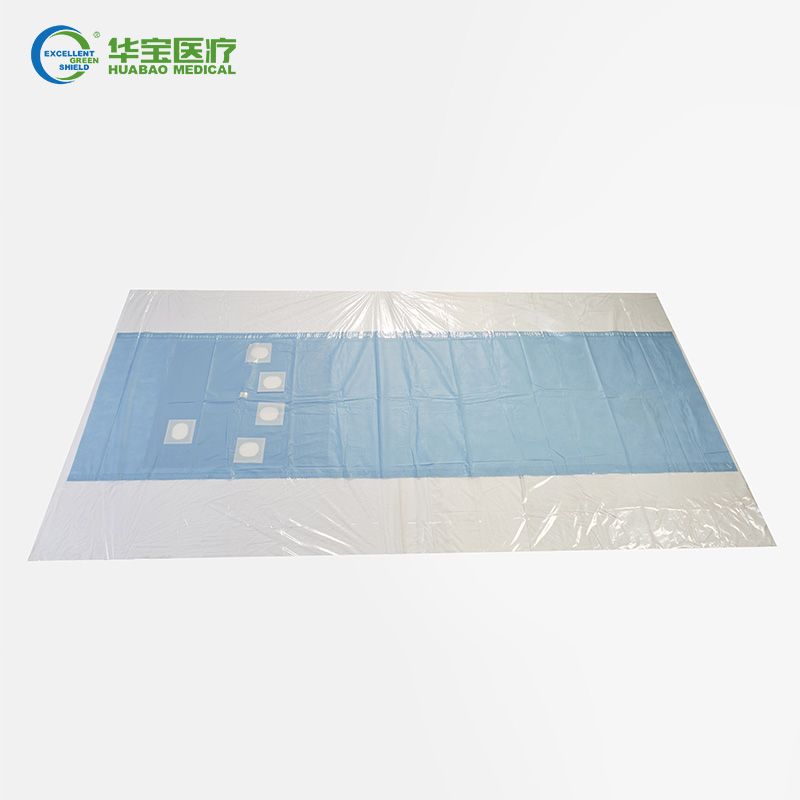
What is the purpose of surgical drapes?

 Surgical drapes serve several important purposes in the operating room during surgical procedures. These drapes are large sheets of sterile material that are used to cover patients and create a barrier between the surgical site and the surrounding non-sterile environment. Here are the primary purposes of surgical drapes:

Infection Control:

The primary purpose of surgical drapes is to prevent the transmission of microorganisms from non-sterile areas to the surgical site and vice versa. By creating a sterile field around the incision site, surgical drapes help reduce the risk of surgical site infections (SSIs) and other postoperative complications.

Maintaining Sterility:

Surgical drapes are made from materials that have been sterilized, and they are applied in a way that maintains a sterile field over the surgical site. This is crucial for preventing contamination and ensuring aseptic conditions during the entire surgical procedure.

Fluid Management:

Disposable surgical drapes can involve the use of liquids, such as blood and irrigation fluids. Drapes are designed to absorb and control the flow of fluids away from the surgical site, preventing contamination of the surrounding areas and maintaining a clear field of vision for the surgical team.


Barrier Protection:

Surgical drapes act as a physical barrier between the surgical team, the patient, and the surrounding environment. This barrier helps prevent contact between non-sterile surfaces and the surgical site, reducing the risk of introducing pathogens or contaminants.

Comfort and Safety for Patients:

Drapes provide a covering for patients to ensure their modesty and comfort during surgery. They also contribute to patient safety by preventing inadvertent exposure to surgical instruments or fluids.

Facilitating Sterile Setup:

Surgical drapes are part of the overall sterile setup in the operating room. They are positioned to create a designated sterile field where the surgical team can work without compromising the integrity of the surgical site.

Ease of Use and Customization:

Surgical drapes are designed to be easy to handle and apply. They come in various sizes and shapes to accommodate different surgical procedures and body areas. The design allows for precise placement to cover only the necessary areas while maintaining sterility.

Regulatory Compliance:

Compliance with regulatory standards and guidelines is essential in healthcare settings. The use of surgical drapes is often mandated by health regulatory bodies to ensure that surgical procedures adhere to established infection control practices.

In summary, Medical ues surgical drapes play a crucial role in maintaining a sterile environment during surgical procedures. They contribute to infection control, protect the patient and surgical team, and help ensure the overall success and safety of surgical interventions.

2023年11月8日星期三

Investment Casting vs. Die Casting: Which Is Right for Your Application

 Casting is an ancient manufacturing technique that dates back to the 1890s. Two common casting techniques available today are investment casting and die casting. Although these technologies share the same basic principles, investment casting has specific differences from die casting. Investment casting involves injecting wax into an aluminum mold cavity. The die casting process, on the other hand, forces molten metal under high pressure into the mold cavity.

This article will provide an overview of these technologies, including their main advantages. You'll also learn the differences between investment casting and die casting to help you choose the best option for your project.

Detailed Comparison: Investment Casting Vs Die Casting

work process

The precision custom casting process begins with making a wax pattern that is used to produce the desired end product. The operator then attaches wax to the base of the sprue and repeatedly dips them into the ceramic mold. After the ceramic hardens and takes the shape of the casting, the mold is heated to melt the wax. The operator then fills the mold cavity with molten metal. As the metal cools and solidifies, the mold is broken to remove the casting.

Die casting, on the other hand, involves injecting liquid metal into a mold cavity under high pressure. Technicians use hardened steel tools to create a mold cavity tree with the desired product shape. The molten metal is then placed on the sleeve and a piston is used to force it into the mold cavity. This piston applies continuous pressure as molten metal fills the mold. Once this metal cools, operators remove the tree and remove the components. This part usually requires secondary machining to complete.

Casting material selection

Investment casting is suitable for a wide range of metals and works perfectly with both ferrous and non-ferrous metals. This casting process can be used with metals such as stainless steel, copper, aluminum, zinc, etc. Additionally, it can cast difficult-to-machine alloys.

Die casting, on the other hand, is ideal for non-ferrous metals. These metals include aluminum, zinc, copper, lead and magnesium alloys. Therefore, investment casting offers a wider choice of materials than die casting.

design complexity

When comparing investment casting vs. die casting, the geometry of your design is critical. Investment casting enables more precise dimensions, thin-walled parts and other complex geometries. This technology provides greater design flexibility, allowing you to incorporate various design features and cast complex parts.

Although die casting can produce larger parts and good dimensional results, it does not offer the same level of sophistication as investment casting.


Part size

Investment casting can accommodate parts from 0.02 kg to approximately 100 kg. However, there are some limitations on part size for this process. This is because the wax pattern needs to be safely gated to the tool gate to ensure repeated dipping in the refractory slurry.

Die casting, on the other hand, can produce larger parts with fewer size restrictions. You can basically get any past size through this process. However, making large parts with die casting will require larger tooling and unit costs.

surface treatment

When you compare die castings to investment castings, you will find that investment castings have a better surface finish than die castings. The standard precision tolerance for this process is IT5-6 and you can get up to 125 microfinishes. This reduces or eliminates the need for secondary processing.

The die casting surface treatment is also good enough. However, parts made with this process require additional processing to achieve the desired results.

Production

Cuestom Investment casting is better suited for low-volume production, typically less than 10,000 pieces. In contrast, die casting is ideal for high-volume projects and high-volume production of more than 10,000 pieces, as it can produce 100 to 2000 parts per hour. While tooling costs can be high, a single mold can produce up to a million components. Additionally, the process ensures excellent repeatability and consistency, making it ideal for large-scale runs.

tolerance

Both investment and die casting can produce good and tight tolerances. However, the tolerance capabilities of the casting process depend greatly on the type of material used and the shape of the part.

The general rule is that the smaller the part, the greater the dimensional accuracy. Therefore, investment casting has tighter tolerances (approximately +/-0.005 inches) when it comes to smaller components. However, large investment castings often lose some dimensional accuracy. In this case, die casting would be a better choice for larger parts as it can offer standard tolerances of +/-0.010 inches and precision tolerances of up to +/-0.002 inches.

cycle

Traditional investment casting is very time consuming and requires some labor and casting time. Conventional die casting, on the other hand, can produce up to 3 to 4 shots per minute. Multi-sided die casting can produce more than 45 shots per minute, and even 100 shots per minute for smaller parts. Die castings are usually produced completely automatically, requiring little human involvement.

Investment Casting vs. Die Casting: Which Is More Cost-effective?

When comparing the production costs of investment casting versus die casting, throughput plays an important role. If your production volume exceeds 10,000 pieces, die casting will be more cost-effective than investment casting. Because die casting is more automated, manufacturers can produce more parts in a shorter amount of time.

Investment casting, on the other hand, is more cost-effective for low-volume production of less than 10,000 pieces. Die casting machines are more expensive and small batch runs cannot make up for the die casting cost. Investment casting requires less machinery, thus saving on tooling costs. Additionally, investment castings typically do not require secondary processing. Therefore, you can further save on processing costs.

Die casting or investment casting, which one is better for your needs?

Although die casting and investment casting are mature technologies, they are best suited for different applications. The casting method you choose will depend on your specific needs. For example, die casting is best suited for manufacturing high-volume parts quickly, affordably, and with good consistency. On the other hand, for smaller products with complex or intricate features, investment casting is preferred.

Die casting is also only suitable for non-ferrous metals such as aluminum, zinc, and copper. However, if you need to make parts from ferrous metals like stainless steel, Custom Lost Wax Casting will be your best choice. Often, your manufacturing requirements will determine the best process to choose. If you have any confusion about the selection process, please contact us.

2023年10月25日星期三

How do you mold EPS foam?


A Basic Guide to Bridge Measurements


When it comes to bridge construction, accurate measurements are crucial for the success and safety of the project. Every bridge is unique, requiring precise measurements to ensure proper alignment and stability. In this guide, we will explore the importance of bridge measurements and provide an overview of the key steps involved in this process.


Understanding the Importance of Bridge Measurements


Bridge measurements play a vital role in ensuring structural integrity, stability, and safety. Accurate measurements help engineers and construction professionals determine the required materials, calculate load capacities, and assess the overall feasibility of the bridge design.


Additionally, precise measurements help in identifying potential deformations, stress concentrations, or other irregularities that may affect the bridge's performance over time. By monitoring these measurements during and after construction, maintenance and repair activities can be planned and executed more effectively.


The Bridge Measurement Process


The process of bridge measurements involves several key steps to ensure accuracy and reliability. Here is a breakdown of the main stages:


1. Initial Survey


The initial survey is the first step in the bridge measurement process. It includes site inspection, topographic mapping, and gathering relevant data such as ground conditions, environmental factors, and existing infrastructure.


During this stage, professionals may use specialized surveying equipment, including total stations and laser scanners, to collect precise measurements of the bridge construction site.


2. Design and Engineering


After gathering the initial survey data, engineers and designers use computer-aided design (CAD) software to create a detailed bridge model. This model considers various factors such as load capacities, safety standards, and aesthetic requirements.


The bridge model serves as the reference for subsequent measurement activities, helping determine the required dimensions, angles, and materials necessary for construction.


3. Construction Setup


Once the bridge design is finalized, the construction setup begins. This stage involves setting up control points and establishing a reference system to measure and verify the bridge's alignment and elevation accurately.


During this process, professionals use advanced level instruments, GPS receivers, and other specialized tools to ensure precise measurements during construction.


4. On-site Monitoring


During the construction phase, ongoing measurements and monitoring are critical to ensuring the bridge's quality and integrity. This may involve real-time monitoring systems, sensors, and other instruments to track deformations, stress, and stability factors.


By closely monitoring these measurements and addressing any issues promptly, engineers can make necessary adjustments and ensure the bridge is constructed according to design specifications.


5. Post-construction Evaluation


After completion, a thorough evaluation of the constructed bridge is conducted to validate the accuracy of the measurements and assess its overall performance. This evaluation may include load testing, visual inspections, and non-destructive testing methods.


If any discrepancies or issues are identified, adjustments or repairs can be made to maintain the bridge's safety and structural integrity.


Common Questions about How do you Mold EPS Foam?


Q: What is EPS foam?


A: Expanded Polystyrene (EPS) foam is a lightweight and rigid material widely used in packaging, insulation, and construction. It is made from expandable polystyrene beads that are fused together to form a solid foam structure.


Q: What is an EPS Foam Shape Molding Machine?


A: An EPS foam shape Molding Machine is a specialized device used to mold EPS foam into various shapes and forms. It applies heat and pressure to the EPS beads, expanding and shaping them into the desired product.


Q: What are the advantages of using EPS foam?


A: EPS foam offers excellent thermal insulation properties, low moisture absorption, and high compressive strength. It is also lightweight, cost-effective, and environmentally friendly, as it can be recycled.


In conclusion, accurate bridge measurements are essential for the successful construction of bridges. They ensure structural integrity, stability, and safety while enabling proper planning and monitoring throughout the entire process. By following the steps outlined in this guide and utilizing advanced measurement techniques and equipment, engineers and construction professionals can achieve reliable and durable bridge structures.


As an easy way to show you and expand our business, we also have inspectors in QC Work for EPS EPP Foam Packaging Shape Moulding Machine,Automatic EPS Foam Block Cutting Machine

2023年10月15日星期日

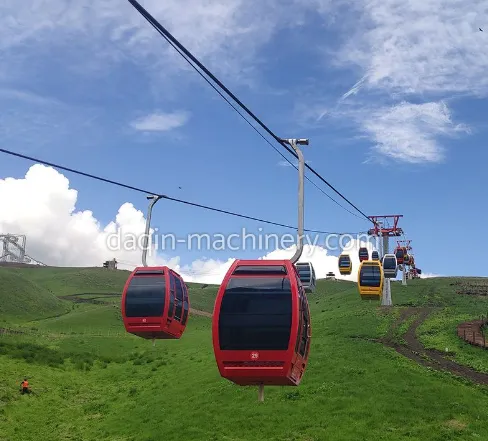
Why Should Cities Choose Cable Cars Over Ropeways?

Why Cities Should Consider Cable Cars Instead of Ropeways

In recent years, the debate between cable cars and ropeways as a transportation mode in cities has gained significant attention. Both systems provide a unique way to move people and goods, but the question arises: why should cities choose cable cars over ropeways? Let's delve into the intricacies of these transportation solutions, exploring their benefits, equipment, manufacturers, and how they contribute to sightseeing tours.

Advantages of Cable Cars in Urban Landscapes

Cable cars offer several distinct advantages over ropeways, making them an excellent choice for cities. These advantages include:

1. Aesthetic Appeal: Cable cars are iconic and can enhance a city's architectural landscape. The sleek design and graceful movement of cable cars attract tourists while preserving the city's visual appeal.

2. Capacity and Speed: Cable cars have larger cabins and can transport more passengers compared to ropeways. This makes them ideal for areas with higher demand, reducing congestion and waiting times. Furthermore, they can reach higher speeds, ensuring efficient transportation in urban environments.

3. Accessibility: Cable cars can be easily integrated into the city infrastructure, spanning across diverse landforms, including rivers, valleys, and mountains. This characteristic allows for the development of new routes, connecting previously isolated neighborhoods and fostering social cohesion.

4. Environmental Friendly: Cable cars are considered an environmentally friendly transportation solution. They use clean, electric power and produce zero direct emissions, contributing to the overall reduction of greenhouse gases and noise pollution in urban areas.


Cable Car Equipment and Cableway Technology

To ensure the efficient operation of cable cars, state-of-the-art equipment and technology are essential. Cable car equipment includes:

1. Suspension System: The suspension system comprises the cables, towers, and supports that bear the weight of the cabins. It is crucial to ensure the safety and stability of the entire system.

2. Traction System: The traction system is responsible for propelling the cabins along the cables. Modern cable cars often utilize advanced electric drives, offering enhanced control and energy efficiency.

3. Cabin Design and Safety: Cabins are designed to provide a comfortable and secure experience for passengers. They have various safety features, such as emergency braking systems and automated monitoring mechanisms.

In terms of cableway technology, innovation has led to remarkable advancements in efficiency and reliability. These advancements include the use of advanced materials for cables, improved control systems, and more accurate weather monitoring for optimal performance.

Leading Ropeway Manufacturers for Sale

When considering the implementation of cable cars, it is essential to select reliable and reputable ropeway manufacturers. Some prominent manufacturers known for their quality and expertise are:

1. Doppelmayr/Garaventa Group: With over 125 years of experience, Doppelmayr is a global leader in ropeway manufacturing. They offer a comprehensive range of cable car systems suitable for urban landscapes, providing reliability and outstanding performance.

2. Leitner Ropeways: Leitner is another leading manufacturer known for its cutting-edge technology and the development of innovative cableway systems. Their expertise lies in creating tailor-made solutions, ensuring optimal performance and safety.

3. POMA: POMA is renowned for its sustainable ropeway systems and commitment to reducing environmental impact. Their systems offer exceptional comfort, reliability, and safety, making them a reliable choice for cities.

Sightseeing Tours and the Role of Ropeways

Apart from being an efficient means of transportation, ropeways also play a significant role in enhancing sightseeing tours. Ropeways provide a fantastic opportunity for tourists to experience breathtaking aerial views of the city, mountains, or landmarks. By incorporating ropeways into sightseeing tours, cities can attract more tourists, boost their economies, and create memorable experiences.

Conclusion

Cities should give careful consideration to cable cars as a superior alternative to ropeways when planning their transportation systems. Cable cars provide a wide array of advantages, from aesthetic appeal to increased capacity, accessibility, and environmental friendliness. By partnering with reputable manufacturers such as Doppelmayr, Leitner, and POMA, cities can implement state-of-the-art cable car systems that enhance urban landscapes while ensuring safety and efficiency. Additionally, ropeways contribute significantly to sightseeing tours, offering tourists awe-inspiring aerial views, further enriching the city experience.

We provide amazing energy in high quality and improvement, sales, profits and promotions and programs with Cable Car Equipment Cableway,Cabin Cable Car,Aerial Tramway

2023年9月6日星期三

Enhancing Road Safety with LED Arrow Boards

 In the realm of traffic control and road safety, the LED arrow board stands as a beacon of innovation and effectiveness. These versatile devices, equipped with arrays of light-emitting diodes (LEDs), play a vital role in guiding and managing traffic flow, reducing accidents, and ensuring the safety of road users. In this article, we will delve into the world of LED arrow boards, exploring their functions, benefits, and the ways they contribute to safer and more organized roads.

Understanding the LED Arrow Board

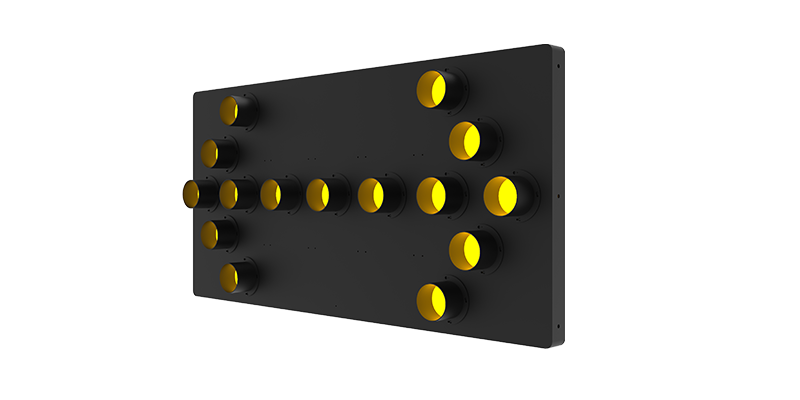
An LED arrow board is a dynamic and highly visible traffic control device commonly used in various road management scenarios. It consists of a large display panel populated with numerous LED lights arranged in specific patterns, typically forming directional arrows or other informative symbols. These symbols are programmable and can be illuminated in different sequences to convey essential information to drivers.

The Functions of LED Arrow Boards

LED arrow boards serve multiple functions in traffic management and safety, making them indispensable tools for traffic control agencies, construction sites, and emergency responders. Here are some of their primary functions:

Directional Guidance: LED arrow boards display dynamic arrow symbols that guide drivers by indicating the correct lane to follow, lane closures, or detours. They are particularly useful in construction zones and highway maintenance, where traffic patterns may change frequently.

Lane Closure and Merge Point Warning: These boards are often used to warn drivers of upcoming lane closures or merge points. The flashing or scrolling arrow patterns help drivers merge safely into the open lanes, reducing the risk of accidents.

Hazard Warning: In emergency situations, such as accidents, road closures, or hazardous conditions, LED arrow boards can alert drivers to the danger ahead. The boards can display warning messages or specific symbols to inform drivers to slow down, take detours, or exercise caution.


Traffic Congestion Management: LED arrow boards can be used to manage traffic congestion during peak hours or special events. By directing traffic flow into specific lanes or routes, they help prevent gridlock and maintain smoother traffic flow.

Benefits of LED Arrow Boards

The adoption of LED technology in arrow boards has introduced several significant advantages over traditional traffic control methods:

High Visibility: LEDs are known for their exceptional brightness and visibility, even in adverse weather conditions or low light. LED arrow boards can be seen from a considerable distance, ensuring that drivers have ample time to react.

Energy Efficiency: LEDs are energy-efficient and have a longer lifespan compared to conventional bulbs. This translates to reduced operating costs and less frequent maintenance.

Programmable and Customizable: LED arrow boards offer flexibility in terms of the symbols and messages they can display. They can be easily programmed to convey specific information tailored to the situation at hand.

Reduced Environmental Impact: LED technology is eco-friendly due to its lower energy consumption and longer lifespan, resulting in reduced waste from replacement bulbs.

Enhanced Safety: The clarity and brightness of LED arrow boards for modern traffic management contribute to improved safety on the road. Drivers can quickly and accurately interpret the displayed information, reducing the likelihood of accidents.

Applications of LED Arrow Boards

LED arrow boards find applications in various scenarios, including:

Construction Zones: They are commonly used in construction areas to guide traffic around work zones, lane closures, and detours, minimizing disruptions and ensuring the safety of both construction workers and drivers.

Emergency Response: Emergency responders deploy LED arrow boards to manage traffic around accident scenes, fires, or other emergency situations, facilitating access for rescue and relief efforts.

Special Events: LED arrow boards are instrumental in managing traffic during large-scale events like parades, sporting events, and festivals, helping to prevent traffic jams and ensuring the safety of attendees.

Public Works: Municipalities use Chainzone LED arrow boards for road maintenance, repairs, and infrastructure projects, improving traffic flow and minimizing disruptions to daily life.

In conclusion, LED arrow boards are invaluable tools in modern traffic management and road safety. Their adaptability, high visibility, and energy efficiency make them essential for guiding traffic, reducing accidents, and enhancing the overall safety and efficiency of our roadways. As technology continues to advance, we can expect even more sophisticated and effective uses of LED arrow boards in the realm of traffic control and management.

2023年9月5日星期二

Factors to Consider When Selecting Power Resistors

In the fast-paced world of electronics, where precision and reliability are paramount, power resistors play a crucial role. These unassuming components are the unsung heroes behind the scenes, ensuring that electronic circuits function smoothly and efficiently. Whether you're a seasoned engineer or a novice enthusiast, understanding the factors to consider when selecting power resistor is essential for optimizing the performance of your electronic devices. In this comprehensive guide, we delve into the world of power resistors, shedding light on the key considerations that can make or break your electronic projects.

Resistance Value

The most fundamental aspect of a power resistor is its resistance value, which is measured in ohms (Ω). This value determines how much the resistor restricts the flow of electric current in a circuit. When selecting a power resistor, it's imperative to choose one with the correct resistance value to match your application's requirements. Too much or too little resistance can result in improper circuit operation or, worse, damage to your components.

Power Rating

The power rating of a resistor is another critical factor to consider. It specifies the maximum amount of power the resistor can dissipate as heat without exceeding its temperature limits. Choosing a resistor with an inadequate power rating can lead to overheating and, ultimately, failure. On the other hand, selecting a power resistor with a higher power rating than necessary can be wasteful and inefficient.

Tolerance

Precision is vital in electronic applications, and resistor tolerance plays a significant role in achieving it. Tolerance indicates the permissible variation in resistance value from the specified nominal value. Common tolerance values include 1%, 5%, and 10%. For applications requiring high precision, a lower tolerance value is preferable. However, keep in mind that lower tolerance resistors can be more expensive.

Temperature Coefficient

Electronic components can be sensitive to temperature changes, and power resistors are no exception. The temperature coefficient of a resistor indicates how its resistance value changes with temperature variations. It's crucial to choose a resistor with a temperature coefficient that suits your application, especially if it operates in extreme temperature conditions. Common temperature coefficient values include 100 ppm/°C and 50 ppm/°C.

Package Type

Power resistors come in various package types, each with its advantages and limitations. The choice of package type depends on factors such as space constraints, mounting options, and ease of assembly. Some common package types include through-hole, surface-mount, and wirewound resistors. Ensure that the selected package type aligns with your project's design and manufacturing requirements.

Noise Performance

In applications where noise interference is a concern, it's essential to consider the noise performance of power resistors. Noise can adversely affect the signal quality in sensitive circuits. Metal film and metal oxide resistors are known for their low noise characteristics, making them suitable for audio and precision measurement applications.

Voltage Rating

The voltage rating of a power resistor specifies the maximum voltage it can withstand without breakdown or arcing. Selecting a resistor with an insufficient voltage rating can result in electrical breakdown and component failure. It's essential to choose a resistor with a voltage rating that exceeds the maximum voltage in your circuit.

Environmental Considerations

Environmental factors can impact the performance and lifespan of power resistors. If your application operates in harsh conditions, such as high humidity, extreme temperatures, or exposure to chemicals, opt for resistors designed to withstand these challenges. Look for resistors with robust encapsulation and protective coatings.

Cost and Availability

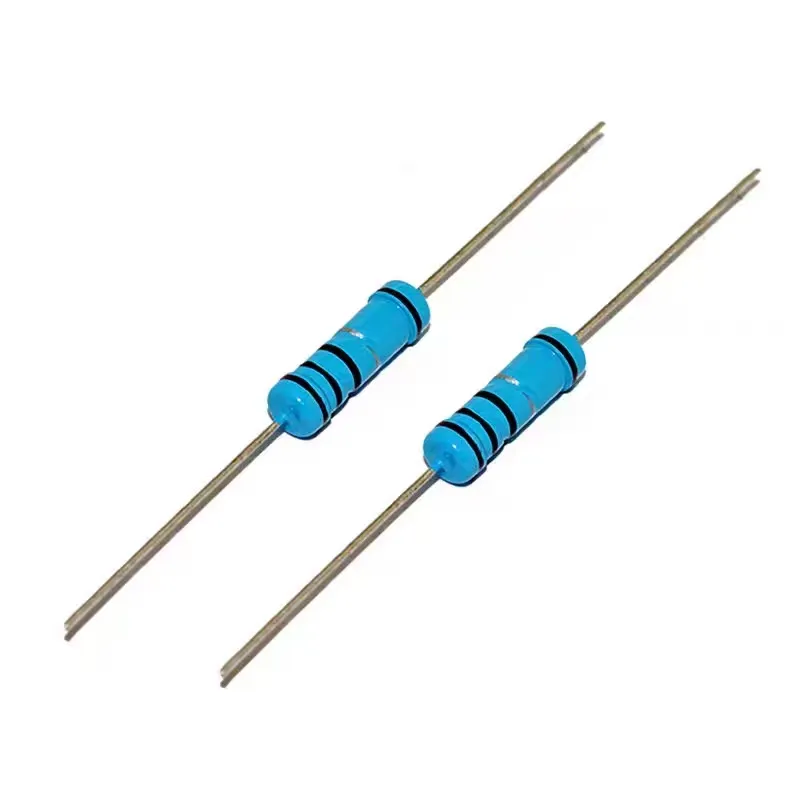
Last but not least, cost and availability are practical considerations when selecting adjustable resistors​. Balancing your budget with the required specifications is essential. Additionally, consider the availability of the chosen resistor type and package, as some specialized components may have longer lead times.


In conclusion, the selection of power resistors for your electronic projects should never be underestimated. By carefully considering factors such as resistance value, power rating, tolerance, temperature coefficient, package type, noise performance, voltage rating, environmental suitability, cost, and availability, you can ensure the reliability and efficiency of your circuits. Choosing the right power resistor is not just a technical decision; it's a strategic one that can have a profound impact on the success of your electronic endeavors. More details please contact Xieyuan Electronics