2023年10月25日星期三

How do you mold EPS foam?


A Basic Guide to Bridge Measurements


When it comes to bridge construction, accurate measurements are crucial for the success and safety of the project. Every bridge is unique, requiring precise measurements to ensure proper alignment and stability. In this guide, we will explore the importance of bridge measurements and provide an overview of the key steps involved in this process.


Understanding the Importance of Bridge Measurements


Bridge measurements play a vital role in ensuring structural integrity, stability, and safety. Accurate measurements help engineers and construction professionals determine the required materials, calculate load capacities, and assess the overall feasibility of the bridge design.


Additionally, precise measurements help in identifying potential deformations, stress concentrations, or other irregularities that may affect the bridge's performance over time. By monitoring these measurements during and after construction, maintenance and repair activities can be planned and executed more effectively.
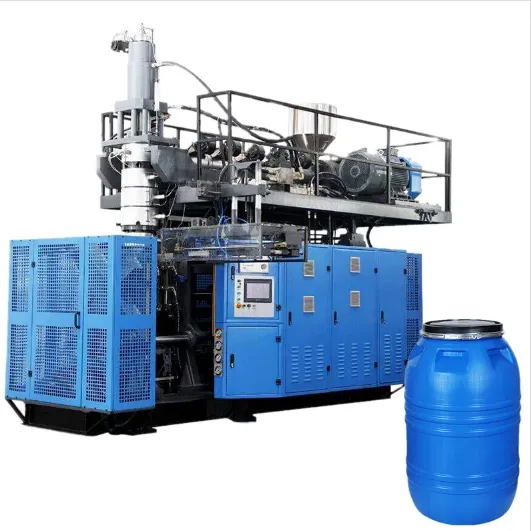


The Bridge Measurement Process


The process of bridge measurements involves several key steps to ensure accuracy and reliability. Here is a breakdown of the main stages:


1. Initial Survey


The initial survey is the first step in the bridge measurement process. It includes site inspection, topographic mapping, and gathering relevant data such as ground conditions, environmental factors, and existing infrastructure.


During this stage, professionals may use specialized surveying equipment, including total stations and laser scanners, to collect precise measurements of the bridge construction site.


2. Design and Engineering


After gathering the initial survey data, engineers and designers use computer-aided design (CAD) software to create a detailed bridge model. This model considers various factors such as load capacities, safety standards, and aesthetic requirements.


The bridge model serves as the reference for subsequent measurement activities, helping determine the required dimensions, angles, and materials necessary for construction.


3. Construction Setup


Once the bridge design is finalized, the construction setup begins. This stage involves setting up control points and establishing a reference system to measure and verify the bridge's alignment and elevation accurately.


During this process, professionals use advanced level instruments, GPS receivers, and other specialized tools to ensure precise measurements during construction.


4. On-site Monitoring


During the construction phase, ongoing measurements and monitoring are critical to ensuring the bridge's quality and integrity. This may involve real-time monitoring systems, sensors, and other instruments to track deformations, stress, and stability factors.


By closely monitoring these measurements and addressing any issues promptly, engineers can make necessary adjustments and ensure the bridge is constructed according to design specifications.


5. Post-construction Evaluation


After completion, a thorough evaluation of the constructed bridge is conducted to validate the accuracy of the measurements and assess its overall performance. This evaluation may include load testing, visual inspections, and non-destructive testing methods.


If any discrepancies or issues are identified, adjustments or repairs can be made to maintain the bridge's safety and structural integrity.


Common Questions about How do you Mold EPS Foam?


Q: What is EPS foam?


A: Expanded Polystyrene (EPS) foam is a lightweight and rigid material widely used in packaging, insulation, and construction. It is made from expandable polystyrene beads that are fused together to form a solid foam structure.


Q: What is an EPS Foam Shape Molding Machine?


A: An EPS foam shape Molding Machine is a specialized device used to mold EPS foam into various shapes and forms. It applies heat and pressure to the EPS beads, expanding and shaping them into the desired product.


Q: What are the advantages of using EPS foam?


A: EPS foam offers excellent thermal insulation properties, low moisture absorption, and high compressive strength. It is also lightweight, cost-effective, and environmentally friendly, as it can be recycled.


In conclusion, accurate bridge measurements are essential for the successful construction of bridges. They ensure structural integrity, stability, and safety while enabling proper planning and monitoring throughout the entire process. By following the steps outlined in this guide and utilizing advanced measurement techniques and equipment, engineers and construction professionals can achieve reliable and durable bridge structures.


As an easy way to show you and expand our business, we also have inspectors in QC Work for EPS EPP Foam Packaging Shape Moulding Machine,Automatic EPS Foam Block Cutting Machine

2023年10月15日星期日

Why Should Cities Choose Cable Cars Over Ropeways?

Why Cities Should Consider Cable Cars Instead of Ropeways

In recent years, the debate between cable cars and ropeways as a transportation mode in cities has gained significant attention. Both systems provide a unique way to move people and goods, but the question arises: why should cities choose cable cars over ropeways? Let's delve into the intricacies of these transportation solutions, exploring their benefits, equipment, manufacturers, and how they contribute to sightseeing tours.

Advantages of Cable Cars in Urban Landscapes

Cable cars offer several distinct advantages over ropeways, making them an excellent choice for cities. These advantages include:

1. Aesthetic Appeal: Cable cars are iconic and can enhance a city's architectural landscape. The sleek design and graceful movement of cable cars attract tourists while preserving the city's visual appeal.

2. Capacity and Speed: Cable cars have larger cabins and can transport more passengers compared to ropeways. This makes them ideal for areas with higher demand, reducing congestion and waiting times. Furthermore, they can reach higher speeds, ensuring efficient transportation in urban environments.

3. Accessibility: Cable cars can be easily integrated into the city infrastructure, spanning across diverse landforms, including rivers, valleys, and mountains. This characteristic allows for the development of new routes, connecting previously isolated neighborhoods and fostering social cohesion.

4. Environmental Friendly: Cable cars are considered an environmentally friendly transportation solution. They use clean, electric power and produce zero direct emissions, contributing to the overall reduction of greenhouse gases and noise pollution in urban areas.


Cable Car Equipment and Cableway Technology

To ensure the efficient operation of cable cars, state-of-the-art equipment and technology are essential. Cable car equipment includes:

1. Suspension System: The suspension system comprises the cables, towers, and supports that bear the weight of the cabins. It is crucial to ensure the safety and stability of the entire system.

2. Traction System: The traction system is responsible for propelling the cabins along the cables. Modern cable cars often utilize advanced electric drives, offering enhanced control and energy efficiency.

3. Cabin Design and Safety: Cabins are designed to provide a comfortable and secure experience for passengers. They have various safety features, such as emergency braking systems and automated monitoring mechanisms.

In terms of cableway technology, innovation has led to remarkable advancements in efficiency and reliability. These advancements include the use of advanced materials for cables, improved control systems, and more accurate weather monitoring for optimal performance.

Leading Ropeway Manufacturers for Sale

When considering the implementation of cable cars, it is essential to select reliable and reputable ropeway manufacturers. Some prominent manufacturers known for their quality and expertise are:

1. Doppelmayr/Garaventa Group: With over 125 years of experience, Doppelmayr is a global leader in ropeway manufacturing. They offer a comprehensive range of cable car systems suitable for urban landscapes, providing reliability and outstanding performance.

2. Leitner Ropeways: Leitner is another leading manufacturer known for its cutting-edge technology and the development of innovative cableway systems. Their expertise lies in creating tailor-made solutions, ensuring optimal performance and safety.

3. POMA: POMA is renowned for its sustainable ropeway systems and commitment to reducing environmental impact. Their systems offer exceptional comfort, reliability, and safety, making them a reliable choice for cities.

Sightseeing Tours and the Role of Ropeways

Apart from being an efficient means of transportation, ropeways also play a significant role in enhancing sightseeing tours. Ropeways provide a fantastic opportunity for tourists to experience breathtaking aerial views of the city, mountains, or landmarks. By incorporating ropeways into sightseeing tours, cities can attract more tourists, boost their economies, and create memorable experiences.

Conclusion

Cities should give careful consideration to cable cars as a superior alternative to ropeways when planning their transportation systems. Cable cars provide a wide array of advantages, from aesthetic appeal to increased capacity, accessibility, and environmental friendliness. By partnering with reputable manufacturers such as Doppelmayr, Leitner, and POMA, cities can implement state-of-the-art cable car systems that enhance urban landscapes while ensuring safety and efficiency. Additionally, ropeways contribute significantly to sightseeing tours, offering tourists awe-inspiring aerial views, further enriching the city experience.

We provide amazing energy in high quality and improvement, sales, profits and promotions and programs with Cable Car Equipment Cableway,Cabin Cable Car,Aerial Tramway

2023年9月6日星期三

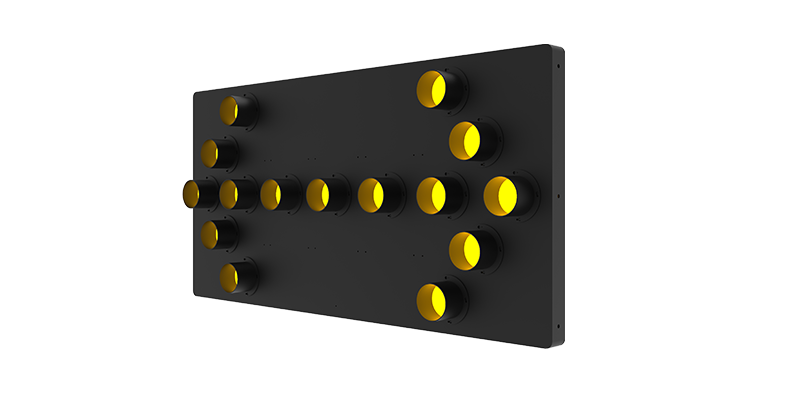
Enhancing Road Safety with LED Arrow Boards

 In the realm of traffic control and road safety, the LED arrow board stands as a beacon of innovation and effectiveness. These versatile devices, equipped with arrays of light-emitting diodes (LEDs), play a vital role in guiding and managing traffic flow, reducing accidents, and ensuring the safety of road users. In this article, we will delve into the world of LED arrow boards, exploring their functions, benefits, and the ways they contribute to safer and more organized roads.

Understanding the LED Arrow Board

An LED arrow board is a dynamic and highly visible traffic control device commonly used in various road management scenarios. It consists of a large display panel populated with numerous LED lights arranged in specific patterns, typically forming directional arrows or other informative symbols. These symbols are programmable and can be illuminated in different sequences to convey essential information to drivers.

The Functions of LED Arrow Boards

LED arrow boards serve multiple functions in traffic management and safety, making them indispensable tools for traffic control agencies, construction sites, and emergency responders. Here are some of their primary functions:

Directional Guidance: LED arrow boards display dynamic arrow symbols that guide drivers by indicating the correct lane to follow, lane closures, or detours. They are particularly useful in construction zones and highway maintenance, where traffic patterns may change frequently.

Lane Closure and Merge Point Warning: These boards are often used to warn drivers of upcoming lane closures or merge points. The flashing or scrolling arrow patterns help drivers merge safely into the open lanes, reducing the risk of accidents.

Hazard Warning: In emergency situations, such as accidents, road closures, or hazardous conditions, LED arrow boards can alert drivers to the danger ahead. The boards can display warning messages or specific symbols to inform drivers to slow down, take detours, or exercise caution.


Traffic Congestion Management: LED arrow boards can be used to manage traffic congestion during peak hours or special events. By directing traffic flow into specific lanes or routes, they help prevent gridlock and maintain smoother traffic flow.

Benefits of LED Arrow Boards

The adoption of LED technology in arrow boards has introduced several significant advantages over traditional traffic control methods:

High Visibility: LEDs are known for their exceptional brightness and visibility, even in adverse weather conditions or low light. LED arrow boards can be seen from a considerable distance, ensuring that drivers have ample time to react.

Energy Efficiency: LEDs are energy-efficient and have a longer lifespan compared to conventional bulbs. This translates to reduced operating costs and less frequent maintenance.

Programmable and Customizable: LED arrow boards offer flexibility in terms of the symbols and messages they can display. They can be easily programmed to convey specific information tailored to the situation at hand.

Reduced Environmental Impact: LED technology is eco-friendly due to its lower energy consumption and longer lifespan, resulting in reduced waste from replacement bulbs.

Enhanced Safety: The clarity and brightness of LED arrow boards for modern traffic management contribute to improved safety on the road. Drivers can quickly and accurately interpret the displayed information, reducing the likelihood of accidents.

Applications of LED Arrow Boards

LED arrow boards find applications in various scenarios, including:

Construction Zones: They are commonly used in construction areas to guide traffic around work zones, lane closures, and detours, minimizing disruptions and ensuring the safety of both construction workers and drivers.

Emergency Response: Emergency responders deploy LED arrow boards to manage traffic around accident scenes, fires, or other emergency situations, facilitating access for rescue and relief efforts.

Special Events: LED arrow boards are instrumental in managing traffic during large-scale events like parades, sporting events, and festivals, helping to prevent traffic jams and ensuring the safety of attendees.

Public Works: Municipalities use Chainzone LED arrow boards for road maintenance, repairs, and infrastructure projects, improving traffic flow and minimizing disruptions to daily life.

In conclusion, LED arrow boards are invaluable tools in modern traffic management and road safety. Their adaptability, high visibility, and energy efficiency make them essential for guiding traffic, reducing accidents, and enhancing the overall safety and efficiency of our roadways. As technology continues to advance, we can expect even more sophisticated and effective uses of LED arrow boards in the realm of traffic control and management.

2023年9月5日星期二

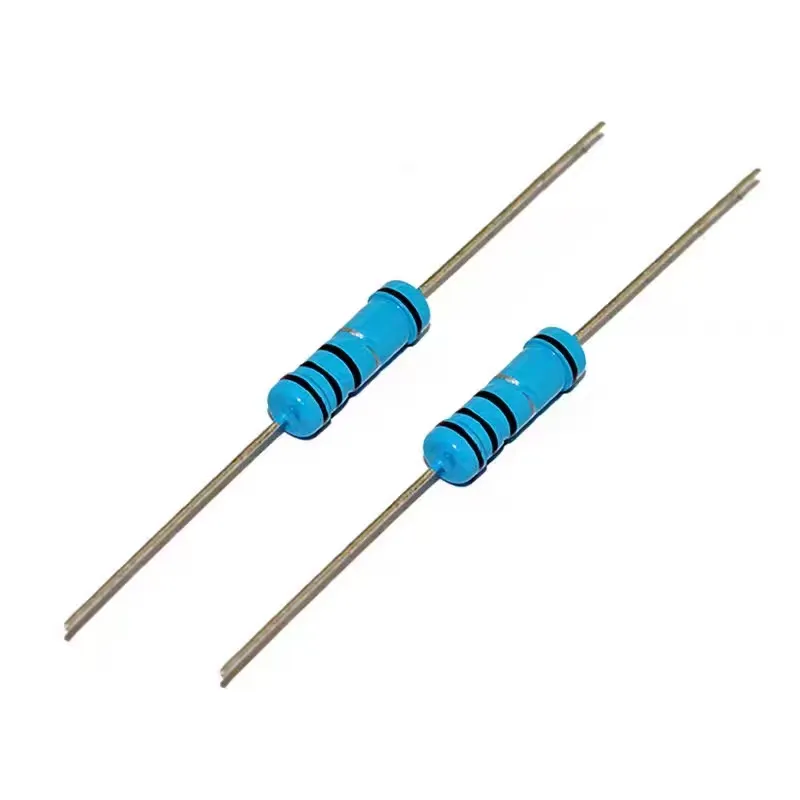
Factors to Consider When Selecting Power Resistors

In the fast-paced world of electronics, where precision and reliability are paramount, power resistors play a crucial role. These unassuming components are the unsung heroes behind the scenes, ensuring that electronic circuits function smoothly and efficiently. Whether you're a seasoned engineer or a novice enthusiast, understanding the factors to consider when selecting power resistor is essential for optimizing the performance of your electronic devices. In this comprehensive guide, we delve into the world of power resistors, shedding light on the key considerations that can make or break your electronic projects.

Resistance Value

The most fundamental aspect of a power resistor is its resistance value, which is measured in ohms (Ω). This value determines how much the resistor restricts the flow of electric current in a circuit. When selecting a power resistor, it's imperative to choose one with the correct resistance value to match your application's requirements. Too much or too little resistance can result in improper circuit operation or, worse, damage to your components.

Power Rating

The power rating of a resistor is another critical factor to consider. It specifies the maximum amount of power the resistor can dissipate as heat without exceeding its temperature limits. Choosing a resistor with an inadequate power rating can lead to overheating and, ultimately, failure. On the other hand, selecting a power resistor with a higher power rating than necessary can be wasteful and inefficient.

Tolerance

Precision is vital in electronic applications, and resistor tolerance plays a significant role in achieving it. Tolerance indicates the permissible variation in resistance value from the specified nominal value. Common tolerance values include 1%, 5%, and 10%. For applications requiring high precision, a lower tolerance value is preferable. However, keep in mind that lower tolerance resistors can be more expensive.

Temperature Coefficient

Electronic components can be sensitive to temperature changes, and power resistors are no exception. The temperature coefficient of a resistor indicates how its resistance value changes with temperature variations. It's crucial to choose a resistor with a temperature coefficient that suits your application, especially if it operates in extreme temperature conditions. Common temperature coefficient values include 100 ppm/°C and 50 ppm/°C.

Package Type

Power resistors come in various package types, each with its advantages and limitations. The choice of package type depends on factors such as space constraints, mounting options, and ease of assembly. Some common package types include through-hole, surface-mount, and wirewound resistors. Ensure that the selected package type aligns with your project's design and manufacturing requirements.

Noise Performance

In applications where noise interference is a concern, it's essential to consider the noise performance of power resistors. Noise can adversely affect the signal quality in sensitive circuits. Metal film and metal oxide resistors are known for their low noise characteristics, making them suitable for audio and precision measurement applications.

Voltage Rating

The voltage rating of a power resistor specifies the maximum voltage it can withstand without breakdown or arcing. Selecting a resistor with an insufficient voltage rating can result in electrical breakdown and component failure. It's essential to choose a resistor with a voltage rating that exceeds the maximum voltage in your circuit.

Environmental Considerations

Environmental factors can impact the performance and lifespan of power resistors. If your application operates in harsh conditions, such as high humidity, extreme temperatures, or exposure to chemicals, opt for resistors designed to withstand these challenges. Look for resistors with robust encapsulation and protective coatings.

Cost and Availability

Last but not least, cost and availability are practical considerations when selecting adjustable resistors​. Balancing your budget with the required specifications is essential. Additionally, consider the availability of the chosen resistor type and package, as some specialized components may have longer lead times.


In conclusion, the selection of power resistors for your electronic projects should never be underestimated. By carefully considering factors such as resistance value, power rating, tolerance, temperature coefficient, package type, noise performance, voltage rating, environmental suitability, cost, and availability, you can ensure the reliability and efficiency of your circuits. Choosing the right power resistor is not just a technical decision; it's a strategic one that can have a profound impact on the success of your electronic endeavors. More details please contact Xieyuan Electronics

2023年8月29日星期二

What are the advantages of PU adhesive?

 In the realm of adhesives, Polyurethane (PU) adhesive stands out as a versatile and high-performance solution with a wide array of applications across industries. Renowned for its exceptional bonding capabilities, durability, and flexibility, PU adhesive has become a cornerstone in modern bonding and assembly processes. This article delves into the distinct advantages that PU adhesive brings to the table, highlighting its attributes that make it a preferred choice for various applications.

Strong and Durable Bonds

PU adhesive excels in creating robust and enduring bonds between a variety of substrates, ranging from metals and plastics to wood and textiles. The chemical composition of PU adhesive allows it to penetrate and adhere to surfaces on a molecular level, resulting in connections that are resistant to various stresses, including mechanical forces, temperature fluctuations, and environmental factors.

Flexibility and Elasticity

One of the standout features of Polyurethane (PU) adhesive is its flexibility and elasticity once cured. This unique characteristic makes it an ideal choice for applications that involve movement or vibrations. The adhesive maintains its bond even when subjected to dynamic stresses, preventing cracks or failures that might occur with more rigid adhesives.

image.png

Excellent Chemical Resistance

PU adhesive exhibits remarkable resistance to a wide range of chemicals, including solvents, oils, and acids. This property makes it a reliable choice for applications in industries where exposure to harsh chemicals is commonplace, such as automotive manufacturing, electronics, and construction.

Wide Temperature Range

From extreme cold to scorching heat, PU adhesive maintains its bonding integrity across a broad temperature spectrum. This adaptability allows it to excel in applications that involve exposure to varying temperatures, making it suitable for both indoor and outdoor use.

Water and Moisture Resistance

PU adhesive's water and moisture resistance are notable advantages, as they prevent degradation of the bond even in humid or wet environments. This feature makes it an excellent choice for applications that require consistent performance in damp conditions, such as marine and outdoor equipment.

Versatility in Substrate Compatibility

PU adhesive showcases impressive compatibility with a wide range of substrates, including metals, plastics, glass, ceramics, and textiles. This versatility allows manufacturers and assemblers to use the same adhesive for bonding various materials, streamlining production processes and reducing the need for multiple adhesives.

Fast Curing and Handling Times

Modern PU adhesives often offer rapid curing times, allowing for faster assembly and production processes. This efficiency is especially valuable in industries where time-sensitive operations are crucial.

Reduced Need for Mechanical Fasteners

The superior bonding strength of PU adhesive often eliminates the need for mechanical fasteners like screws, rivets, or welding. This not only reduces production time but also leads to cleaner aesthetics and stronger assemblies without visible joints or punctures.

Sound and Vibration Dampening

PU adhesive's elasticity extends beyond flexibility; it also serves as a sound and vibration dampener. In applications where noise reduction or vibration absorption is essential, such as automotive manufacturing or construction, PU adhesive proves to be highly effective.

Environmental and Health Considerations

Many PU adhesives are formulated to be low in volatile organic compounds (VOCs), making them more environmentally friendly and safer for workers. This aligns with modern sustainability goals and regulations.

Conclusion

In the realm of adhesives, the advantages of Polyurethane adhesive are undeniable. Its ability to create strong, flexible, and enduring bonds across a diverse range of substrates sets it apart as a go-to solution in various industries. From enhancing durability to reducing the need for mechanical fasteners, PU adhesive has transformed assembly and bonding processes, paving the way for more efficient and reliable products across the board.

2023年8月25日星期五

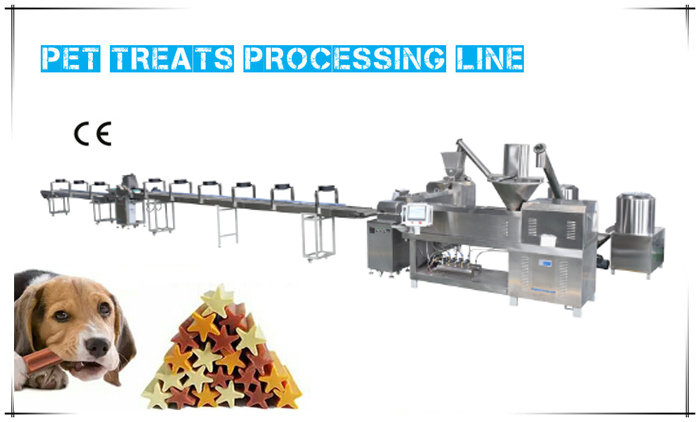
Advantages of Using Pet Food Extruder: Elevating Nutrition for Your Furry Friends

 Welcome to a comprehensive exploration of the benefits of using a pet food extruder. As passionate pet owners and advocates for optimal pet nutrition, we're here to delve into the world of pet food production and shed light on the advantages of utilizing a pet food extruder. These advanced machines have revolutionized the way pet food is prepared, ensuring that our beloved companions receive the nutrition they deserve. In this article, we'll uncover the reasons why Pet Food Machine have become an essential tool for both pet food manufacturers and pet parents.


Pet food extruders are specialized machines designed to process and shape pet food ingredients into the desired final product. The extrusion process involves subjecting a mixture of ingredients to high temperature and pressure, resulting in a transformation of texture and structure. This process not only enhances palatability but also improves the nutritional value and digestibility of the pet food.

Advantages of Using a Pet Food Extruder

1. Enhanced Nutrient Retention

One of the standout benefits of utilizing a pet food extruder is its ability to retain a higher proportion of nutrients during processing. The controlled high-temperature environment helps break down anti-nutritional factors, making essential nutrients more bioavailable to pets. This translates to improved digestion and better absorption of nutrients.

2. Improved Digestibility

The extrusion process involves the expansion and gelatinization of starches, which enhances digestibility. The transformation of ingredients into a more digestible form ensures that pets can extract maximum nutrition from their food, reducing the likelihood of gastrointestinal issues.

3. Uniform Texture and Shape

Pet food extruders allow manufacturers to create uniform textures and shapes, which not only appeal to pets visually but also contribute to a consistent eating experience. This is especially beneficial for pets with dental issues or those requiring specific dietary needs.

4. Customizable Formulations

Pet food extruders offer flexibility in formulating recipes to cater to various pet preferences and nutritional requirements. Manufacturers can easily adjust ingredient ratios and formulations to meet specific dietary needs, ensuring that pets receive tailored nutrition.

5. Food Safety and Quality

The extrusion process involves high temperatures that effectively kill harmful microorganisms, ensuring the safety of the final product. Additionally, the hermetic environment of the extruder minimizes exposure to contaminants, contributing to the overall quality and safety of the pet food.

6. Longer Shelf Life

The extrusion process not only enhances nutrient retention but also extends the shelf life of pet food. The reduction of moisture content and the elimination of potential contaminants help prevent spoilage, ensuring that the food remains fresh and nutritionally viable for a longer duration.

7. Sustainability

Pet food extruders can be part of sustainable manufacturing practices. By efficiently processing ingredients and reducing waste, these machines contribute to more responsible production methods, aligning with the growing demand for environmentally friendly practices.

8. Time and Cost Efficiency

The streamlined process of Pet Treats Extrusion Line leads to time and cost savings for manufacturers. With quicker processing times and reduced labor requirements, manufacturers can produce larger quantities of pet food in a more efficient manner.

Conclusion

In conclusion, the benefits of using a pet food extruder are far-reaching and impactful, revolutionizing the way pet food is prepared and enhancing the quality of nutrition provided to our furry companions. From improved nutrient retention and digestibility to customizable formulations and enhanced food safety, pet food extruders have become a cornerstone of modern pet food production. Whether you're a pet food manufacturer seeking innovation or a dedicated pet parent aiming to provide the best for your pet, considering the advantages of pet food extruders is a step toward elevating pet nutrition to new heights.

2023年8月21日星期一

Factors to consider when choosing the Prefabricated Container House

 Choosing the right prefabricated container house is a significant decision that involves considering various factors to ensure that the final structure meets your needs, preferences, and lifestyle. Here are key factors to keep in mind when selecting the perfect prefabricated container house:

Container House Hotel

1. Purpose and Use:

Determine how you plan to use the container house. Will it serve as a permanent residence, a vacation home, an office, or a mobile unit? The intended purpose will influence the size, layout, and features you need in the container house.


2. Size and Layout:

Container houses come in various sizes, ranging from single containers to multi-container configurations. Consider the number of occupants, the required living space, and the layout that best accommodates your needs. Determine how many rooms, bathrooms, and living areas you need, and choose a layout that optimizes functionality and flow.


3. Location and Regulations:

Check local regulations, zoning codes, and building permits before choosing a container house. Different areas may have specific requirements regarding placement, size, aesthetics, and usage of container houses. Ensure that your chosen design complies with these regulations.


4. Insulation and Climate Control:

Insulation is crucial for maintaining a comfortable interior temperature and energy efficiency. Consider the climate of the location where the container house will be placed. Choose insulation materials that provide adequate thermal and sound insulation, ensuring a pleasant living environment year-round.


5. Aesthetics and Design:

Prefab homes can be customized to match your aesthetic preferences. Consider exterior finishes, colors, and architectural elements that align with your personal style. Some companies offer various design options, while others allow for extensive customization.


6. Quality and Durability:

Investigate the quality of the container and the construction process. Opt for high-quality containers that are structurally sound and free from rust and damage. The welding, reinforcements, and finishing details should meet industry standards for durability and safety.


7. Budget and Cost:

Determine your budget for the prefab container house, considering not only the initial cost but also additional expenses such as transportation, permits, site preparation, foundation, utilities, and interior furnishings. Compare quotes from different suppliers to find a balance between cost and quality.


8. Transportation and Site Accessibility:

Consider how the container house will be transported to the site. Assess the accessibility of your property for delivery and installation. If the site is challenging to reach, discuss logistics with the supplier to ensure a smooth delivery process.


9. Foundation and Site Preparation:

Depending on the site and local regulations, you may need to prepare a foundation for the container house. Evaluate your options, such as concrete slabs, piers, or raised platforms, and choose the one that suits your site conditions and budget.


10. Utilities and Off-Grid Options:

Plan for utilities such as water, electricity, and sewage. Determine whether the container house will be connected to existing utilities or if you'll explore off-grid options like solar panels, rainwater harvesting, and composting toilets.


11. Supplier Reputation and Reviews:

Research the reputation of the supplier or manufacturer. Look for reviews, testimonials, and examples of their previous work. A reputable supplier should have a track record of delivering high-quality container houses and excellent customer service.


12. Future Expansion and Flexibility:

Consider the potential for future expansion or modifications. Container houses are inherently modular, allowing for easy additions or adjustments as your needs change over time.

​

Choosing the right prefabricated container house involves careful consideration of your unique requirements, lifestyle, and vision. By evaluating these factors and working with a reputable supplier, you can ensure that your container house becomes a comfortable, functional, and stylish space that suits your needs for years to come.

2023年8月14日星期一

Unraveling the Art of Threading Pipe: A Comprehensive Guide

 Threading pipes have a rich history dating back to ancient civilizations where ingenious minds crafted early forms of threaded connections to manage water distribution and sewage systems. Fast forward to the present day, threading pipes have evolved into a sophisticated network of connectors used in residential, commercial, and industrial settings.

Types of Threading Pipes

Threading pipes come in a diverse range of materials and specifications, catering to specific requirements and environments. Some common types include:

1. Steel Threading Pipes

Steel threading pipes, known for their robustness and durability, are extensively used in industrial applications where strength and resilience are paramount. These pipes find their place in high-pressure systems, conveying liquids and gases safely and effectively.

2. PVC Threading Pipes

Polyvinyl chloride (PVC) threading pipes have gained popularity in residential plumbing due to their corrosion resistance and affordability. They are widely used for transporting potable water and are favored for their ease of installation.

3. Copper Threading Pipes

Copper threading pipes are cherished for their exceptional conductivity and antimicrobial properties. They are commonly utilized in heating, cooling, and refrigeration systems, ensuring efficient energy transfer.

Applications of Threading Pipes

Threading pipes find application across a spectrum of industries, showcasing their versatility and adaptability. Some prominent applications include:

Plumbing Systems

Threading pipes form the backbone of plumbing systems in homes, offices, and commercial establishments. They facilitate the efficient distribution of water, enabling everyday tasks such as bathing, cleaning, and cooking.

Oil and Gas Industry

In the oil and gas sector, hdpe threading pipes are indispensable components for transporting crude oil, natural gas, and other petroleum products across vast distances. Their ability to withstand high pressures and corrosive environments is paramount.

Construction Sector

Threading pipes play a pivotal role in the construction of buildings and infrastructure. They are used for water supply, drainage, and fire protection systems, ensuring the safety and functionality of structures.

Maintenance of Threading Pipes

To maximize the lifespan and performance of threading pipes, regular maintenance is essential. Follow these maintenance practices to uphold the integrity of your piping system:

1. Visual Inspections

Periodically inspect threaded connections for signs of corrosion, rust, or wear. Address any issues promptly to prevent further deterioration.

2. Clearing Blockages

In cases of blockages or reduced flow, employ appropriate techniques to clear obstructions and restore optimal flow through the pipes.

3. Replacing Damaged Components

If threading pipes or fittings display significant damage, replace them immediately to prevent leaks and potential system failures.


In conclusion, threading pipes stand as a testament to human ingenuity and engineering prowess. Their evolution from rudimentary threaded connections to sophisticated components underscores their indispensable role in modern society. From plumbing systems to industrial applications, threading pipes provide the conduit for essential liquids and gases, driving progress and convenience.

2023年8月9日星期三

What is the thermal expansion rate of graphite?

 Graphite, a naturally occurring form of carbon, has fascinated scientists and engineers for its exceptional properties and wide range of applications. One of the intriguing characteristics of graphite is its thermal expansion behavior, which plays a significant role in various industrial and technological processes. Understanding the thermal expansion rate of graphite is crucial for designing efficient and reliable systems across numerous fields, from aerospace engineering to electronics manufacturing.

Thermal Expansion: A Fundamental Concept

Thermal expansion is a fundamental property of materials, describing how their dimensions change in response to temperature variations. When a material is heated, its atoms or molecules gain kinetic energy and vibrate more vigorously. This increased movement causes the material's particles to move farther apart, leading to an expansion in volume or linear dimensions. Conversely, cooling a material leads to contraction.

Graphite's Anisotropic Nature

Graphite exhibits anisotropic thermal expansion, meaning that its expansion rate is directionally dependent. This unique behavior is a consequence of its layered atomic structure. Graphite consists of layers of hexagonally arranged carbon atoms, each layer called a graphene sheet. The weak van der Waals forces between these sheets allow them to slide over each other with ease. Consequently, graphite has different thermal expansion coefficients along its different crystallographic directions: a, b, and c. The a-axis, perpendicular to the layers, typically shows the highest thermal expansion, while the c-axis, parallel to the layers, displays the lowest expansion rate.


The Role of Temperature

The thermal expansion rate of graphite Materials is highly sensitive to temperature. As the temperature rises, the amplitude of atomic vibrations increases, causing the material to expand more. This behavior is quantified by the coefficient of thermal expansion (CTE), which is defined as the fractional change in length (or volume) of a material per degree Celsius change in temperature. Graphite's CTE values vary with temperature ranges and crystallographic directions. At lower temperatures, graphite contracts, but its expansion becomes dominant as temperatures climb.

Applications and Implications

The knowledge of graphite's thermal expansion behavior finds application in a multitude of industries. In the aerospace sector, where lightweight materials are crucial, graphite composites are used in structures such as rocket nozzles and aircraft components. Understanding the material's expansion characteristics helps engineers design systems that can withstand the extreme temperature fluctuations experienced during launch and re-entry.

In electronics manufacturing, graphite is used as a heat spreader in electronic devices to dissipate heat generated during operation. Its anisotropic expansion behavior is particularly advantageous in ensuring uniform thermal conductivity and reducing the risk of device failure due to thermal stress.

Moreover, graphite's thermal expansion properties are exploited in nuclear reactors as a moderator and structural material. Its controlled expansion and stability under varying temperatures make it an essential component for maintaining the reactor's structural integrity.

Conclusion

In the realm of materials science and engineering, the thermal expansion rate of graphite stands out as a captivating and practically significant phenomenon. Its anisotropic behavior, dictated by its layered atomic structure, makes it a valuable resource across a wide array of applications. As technology continues to advance, a deeper understanding of graphite's thermal expansion will undoubtedly lead to innovative designs, enhanced materials, and more robust systems. Whether soaring through the skies or powering our electronic devices, graphite's thermal expansion characteristics play an indispensable role in shaping the future of various industries.


2023年8月7日星期一

Are Kubota diesel engines good?

 Kubota, a well-established name in the realm of heavy equipment and machinery, has gained a reputation for producing high-quality diesel engines that excel in reliability and performance. In this comprehensive guide, we delve into the attributes that make Kubota diesel engine a favored choice, exploring their features, benefits, and the industries they serve.

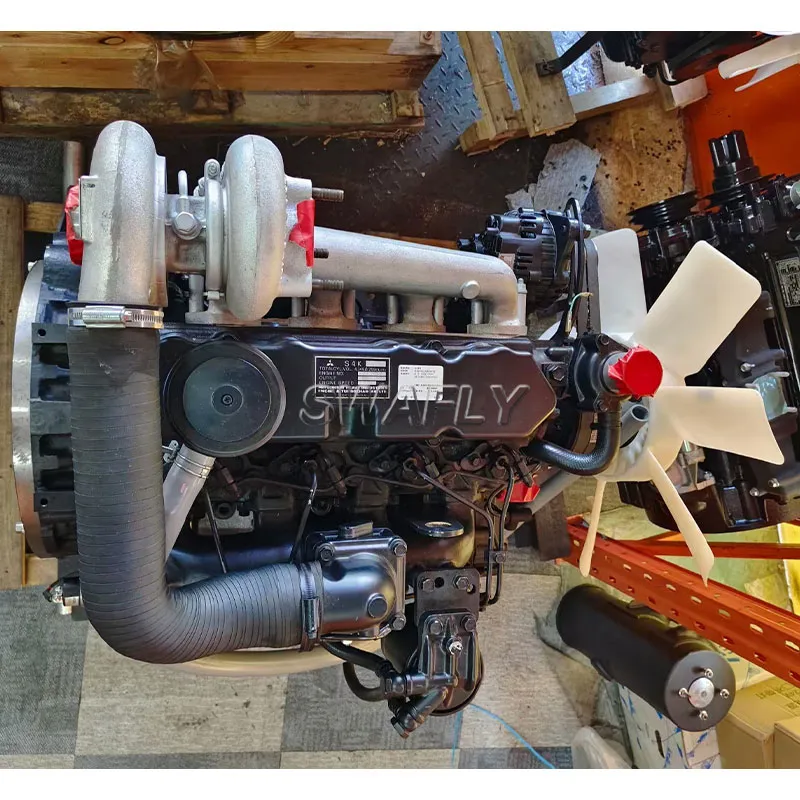
Mitsubishi S4KT Diesel Engine Motor

The Kubota Legacy

With a legacy spanning several decades, Kubota has carved a niche for itself as a manufacturer of durable and efficient diesel engines. Renowned for their commitment to innovation and engineering excellence, Kubota diesel engines have become synonymous with reliability and top-tier performance.

Key Features of Kubota Diesel Engines

Durability and Build Quality

Kubota diesel engines are engineered with a focus on durability and longevity. The company's commitment to precision manufacturing and quality control ensures that each engine is built to withstand the rigors of heavy use and demanding conditions.

Fuel Efficiency

Kubota's dedication to fuel efficiency is evident in its diesel engines. The incorporation of advanced technologies and meticulous design allows Kubota engines to deliver impressive fuel economy, making them both economical and environmentally friendly.

Low Emissions

Kubota places a strong emphasis on reducing emissions and meeting stringent environmental standards. Many Kubota diesel engines are designed to produce lower emissions, contributing to cleaner air and a reduced carbon footprint.

Versatility

Kubota diesel engines motor are engineered for versatility, making them suitable for a wide range of applications. Whether it's powering agricultural equipment, construction machinery, generators, or marine vessels, Kubota engines demonstrate their adaptability across various industries.

Innovative Engineering

Kubota consistently invests in research and development to innovate and improve its diesel engines. This commitment to cutting-edge technology ensures that Kubota engines remain at the forefront of industry advancements.

Advantages of Kubota Diesel Engines

1. Reliability

Kubota has built a reputation for producing reliable engines that deliver consistent performance even in challenging conditions. This reliability translates to reduced downtime and increased productivity for users.

2. Extensive Service Network

Kubota's widespread service network ensures that customers have access to professional support and maintenance. This network further contributes to the overall reliability and longevity of Kubota diesel engines.

3. User-Friendly Design

Kubota diesel engines are designed with user-friendliness in mind. Easy maintenance, accessible components, and intuitive controls make operating and servicing Kubota engines a straightforward and hassle-free experience.

4. Global Presence

Kubota's global presence and reputation extend beyond its home country of Japan. The company's diesel engines are utilized by customers worldwide, attesting to their reliability and adaptability in diverse environments.

Conclusion

Kubota diesel engines have established themselves as a benchmark for reliability, performance, and innovation in the realm of heavy equipment and machinery. With a legacy of excellence, a commitment to quality, and a global footprint, Kubota continues to be a preferred choice for industries seeking durable and efficient complete engines that stand the test of time.